15.1 C
Nairobi
sabato, Aprile 11, 2026

La notte infinita del Medio Oriente

Speciale per Africa ExPress Fabrizio Cassinelli 8 aprile 2026 È...
Home Blog Page 453

Ebola si risveglia: ucciso dal virus un ragazzo in Liberia

1

Speciale per Africa ExPress
Cornelia I. Toelgyes
Quartu Sant’Elena, 3 luglio 2015

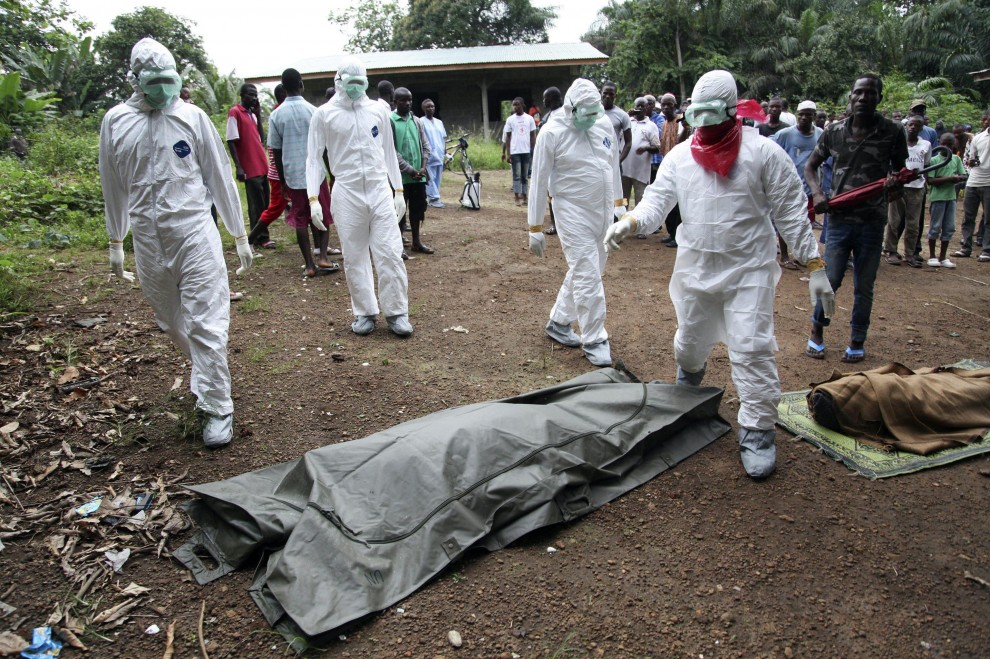
Ebola si è “risvegliato” nuovamente in Liberia, Paese che il 9 maggio 2015  era stato dichiarato “ebola free” dall’Organizzazione Mondiale della Sanità. Domenica scorsa il virus ha ucciso un ragazzo di soli diciassette anni, a Nedowein, nella Contea di Margibi, poco distante dall’aeroporto internazionale di Monrovia, la capitale del Paese.

Altre due persone sono state contagiate, tra loro un caro amico e vicino di casa del giovane. Pare che oltre cento persone siano entrate in contatto con lui; il Ministero dell’informazione liberiano ha dichiarato in una conferenza stampa di aver messo in quarantena l’intero villaggio di Nedowein, come misura precauzionale.
Secondo Cestus Tarpeh, un ufficiale sanitario, solo il medico tradizionale, che inizialmente aveva in cura il ragazzo, è riuscito a scappare.

“Il ragazzo era piccolo di statura e gracile. Non faceva nulla di particolare, se non dare una mano alla sua mamma al mercato locale, dove vendevano della merce. Non si è mai spostato dal villaggio. Non faceva parte della squadra di calcio della scuola, che ha disputato una partita a Zorzor, nella Contea di Lofa, pochi giorni prima che morisse mio nipote”, ha sottolineato Adolphus Gbinee a giornalisti locali.

morto e infermieri

Non è ancora chiaro come e dove si sia contagiato il giovane, le indagini sono ancora in corso; nel villaggio regna ancora una gran confusione e c’è chi afferma che un gruppo di persone abbia partecipato a un pranzo a base di carne di cane, tra loro anche Abraham, lo studente deceduto. Che sia il cane la causa? Tutto da verificare.

Dal dicembre 2013, data di inizio di questa epidemia di ebola, sono decedute nell’Africa Occidentale undicimiladuecento persone; nella sola Liberia 4.806. Mentre 22.715 sono state infette dal virus killer.

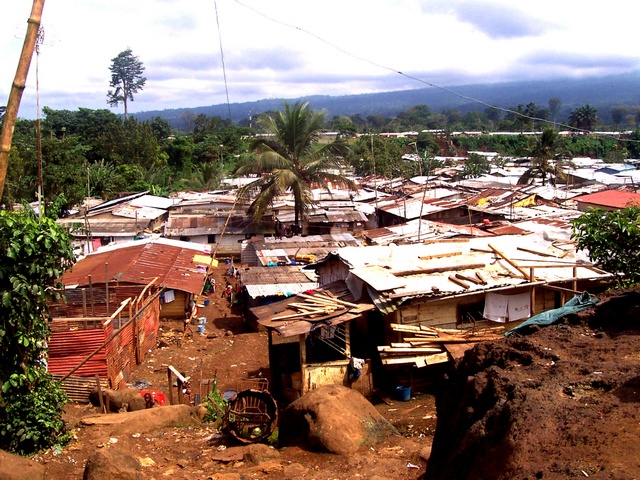
Nessuno caso di ebola è stato registrato per ben tre settimana nella capitale della Sierra Leone, Freetown; sfortunatamente alla fine di giugno due persone sono state trovate positive al test. “Purtroppo tutte le strutture adibite per la quarantena sono già state chiuse, dunque ora ci troviamo di fronte ad un nuovo problema da risolvere”, ha spiegato Sidi Yahya Tunis, un portavoce del “National Ebola Response Centre” (NERC) . “Bisogna aspettarsi altri contagi – ha aggiunto – visto che le persone infette provengono da un quartiere povero, densamente popolato”.

Uno dei due ad essersi infettato è un pescatore. Il virus gli è stato trasmesso dalla fidanzata, che vive a Porto Loko. Nelle province del nord, Porto Loko e Kambia, sono stati registrati diversi nuovi casi di febbre emorragica alla fine di giugno.

Studi recenti hanno dimostrato come durante l’epidemia di ebola ci sia stato anche un notevole incremento dei morti di malaria. Molti, affetti da questa malattia tropicale, non si sono recati negli ospedali, per paura di essere contagiati dal virus emorragico, altri, invece, sono stati trasferiti direttamente nei centri di ebola, vista la sintomatologia molto simile nella fase iniziale della malattia.

In Guinea sono decedute 2482 persone di ebola , mentre nel 2013 nel Paese sono decedute quindicimila persone a causa della malaria.

I ricercatori hanno basato i loro studi tenendo conto, tra l’altro, di quante persone siano state curate per malaria nei dispensari e ospedali nelle regioni maggiormente colpite dall’ebola in Guinea, della quantità di antimalarici somministrati. Hanno confrontato questi dati con altri, registrati in regioni dove il virus ebola non si è mai manifestato, e hanno concluso che durante lo stesso periodo si siano verificati settantaquattromila probabili casi di malaria. “Ora è difficile dire con precisione quanti tra questi siano deceduti a causa della stessa, ma è evidente che il numero di morti di malaria è ben più elevato di quello causato da ebola”, ha sottolineato Mateusz Plucinski del Centro USA per “Disease Control and Prevention.

Cornelia I. Toelgyes
corneliacit@hotmail.it
@cotoelgyes

Rapporto ONU accusa: in Sud Sudan l’esercito rapisce, stupra e brucia vive giovani donne

0

Speciale per Africa ExPress
Cornelia I. Toelgyes
Quartu Sant’Elena, 1° Luglio 2015

Rapite, stuprate, bruciate vive nelle loro povere capanne. Ecco il destino di molte giovani donne e bambine in Sud Sudan, il più giovane Stato del globo terrestre. Infatti questo paese ha ottenuto l’indipendenza dal Sudan il 9 luglio 2011. Un triste anniversario: nel Paese si consuma un conflitto interno dal dicembre 2013, paragonabile solamente a quella della Repubblica Centrafricana. In entrambi i Paesi si fugge per non essere ammazzati, si muore di fame, di stenti, per violenze subite; il tutto si svolge lontano dai cronisti e dalle telecamere dei media, nel silenzio, nell’indifferenza dei più.

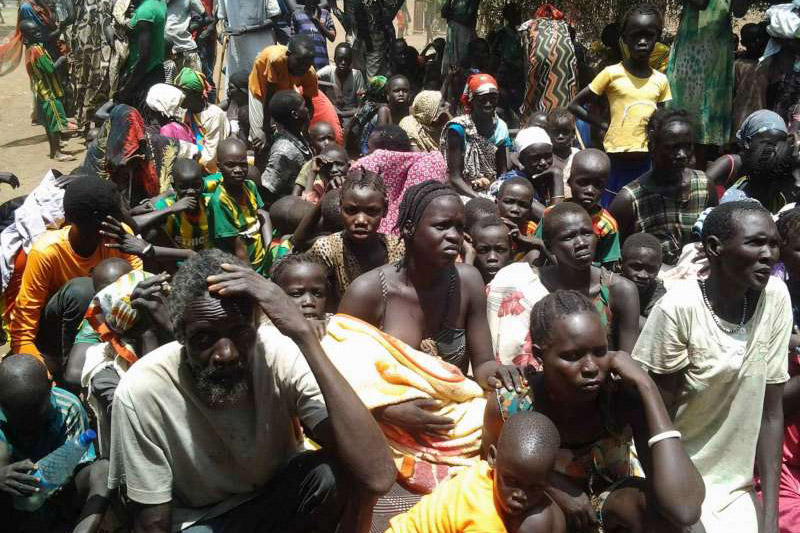
Ieri, la Missione dell’ONU nel Paese (UNMISS) ha denunciato in un rapporto come lo stupro e la violenza contro le donne siano tra le armi più atroci in guerra. Ma nel Sud Sudan si va anche oltre. Nell’Unity State (ricco di petrolio) le truppe del Sudan People’s Liberation Army (SPLA) e gruppi armati alleati avrebbero persino arso vive, le proprie vittime nelle loro povere capanne. Le crudeli esecuzioni sono avvenute tra aprile e giugno 2015. I soldati avrebbero lanciato una campagna di violenze senza precedenti contro la popolazione di questo Stato, costringendo alla fuga oltre centomila persone.

Profughi al confine etiopia

Gli investigatori di UNMISS hanno ascoltato 115 persone, vittime sopravvissute e testimoni oculari. Hanno riportato verità atroci, rare da vedersi persino in un film horror: donne rapite, stuprate, derubate delle loro povere cose, bruciate vive nelle loro capanne, violentate di fronte ai propri figlii. Per ricevere informazioni sul nascondiglio dei ribelli, una donna è stata costretta a tenere in mano pezzi di carbone ardente.

In una conferenza stampa, la rappresentante del segretario generale dell’ONU, Ellen Margrethe Løj, che ricopre anche l’incarico di direttore dell’ UNMISS, ha commentato: “Il fatto di aver raccontato ciò che è accaduto, è la sola speranza che questa ingiustificabile ondata di violenza non rimanga impunita. Chiedo inoltre alle autorità del Sud Sudan di autorizzare gli investigatori che indagano sulle violazioni dei diritti umani a entrare nelle aree dove sono avvenute queste atrocità”.

morto con uccello600

All’inizio del mese Toby Lanzer, uno dei coordinatori per gli affari umanitari dell’ONU, è stato espulso dal Paese. Il governo sud sudanese respinge qualsiasi coinvolgimento in queste ultimi terribili fatti e ha espresso parere favorevole affinché vengano effettuati ulteriori accertamenti sull’accaduto. In passato i responsabili di SPLA hanno sempre negato l’accesso ai funzionari dei diritti umani nei territori controllati da loro, creando anche molti ostacoli dal punto di vista logistico.

Questa guerra civile, iniziata nel dicembre del 2013, per “incomprensioni” politiche tra Salva Kiir, appartenente all’etnia dinka, presidente del Sud Sudan, e Riek March, nuer ed ex-vicepresidente del Paese,  ha prodotto 1,5 milioni di sfollati, oltre cinquecentomila profughi che si sono rifugiati nei Paesi limitrofi, decine di migliaia i morti.

Cornelia I. Toelgyes
corneliacit@hotmail.it
@cotoelgyes

Somalia, Al Shabaab attacked and overrun a military camp in Kisimayo

0

Telegram from Somalia
Africa ExPress stringer
Mogadishu, 29 June 2015

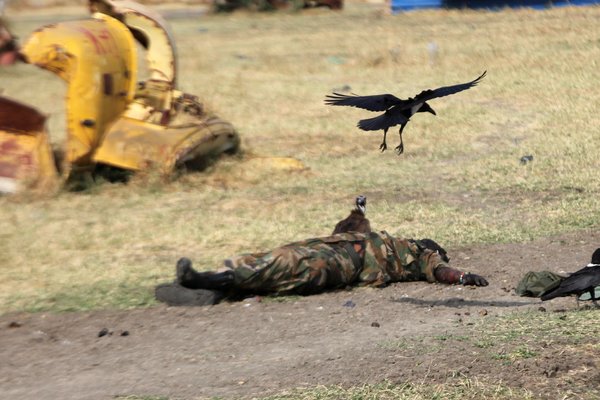
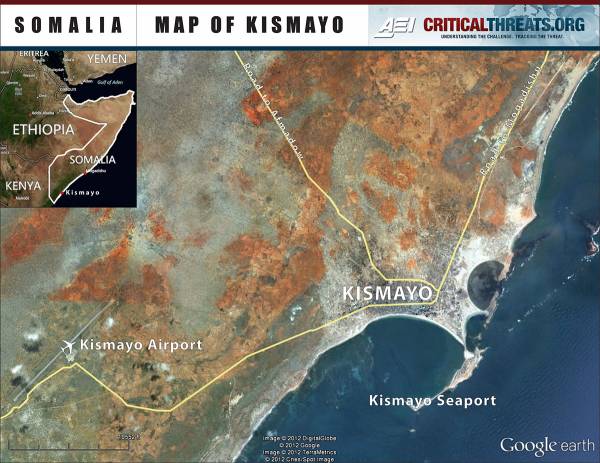
Reports from Kismayo Today eyewitnesses, contacted by phone, informed me that al Shabaab seized last night at the former military academy, located at 9 km outside the town, after having contacted by phone from Mogadishu.

According to the report,  a huge number of Al Shabaab militia attacked last night the camp, the Somali military forces defended it, but after 3 hours of fighting dislodged back to the town, as residents mentioning today. The reports also saying that 3 days ago, most of the newly trained Somali military forces moved to the Buulo Guduud village, located 30 km outside the town, on the main road linking Kismayo to the capital, Mogadishu.

Kisimayo map 600


Nobody knows the casualties, although many wounded people have been brought to Kismayo hospital.  Also, no word from both fighting sides of Jubbaland administration and Al Shabab until now. The Kismayo Academy is one of the biggest military training center for the Somali military forces since two months, although it was a Jubbaland militia camp before the federal government begun training his soldie therers.

Meanwhile, other reports from today are indicating that last night Somali soldiers and AMISOM forces seized back to Leego village, 130 km south western side of the capital, Mogadishu. According to some residentes  “The AMOSM and Somali military forces seized and control the Leego village and its surrounding areas without any confrontation”.

One residen added: “the Al Shabaab militia left and abandoned the camp last night, before the joint forces of AMISOM and Somali Military arrived in Leego village.”

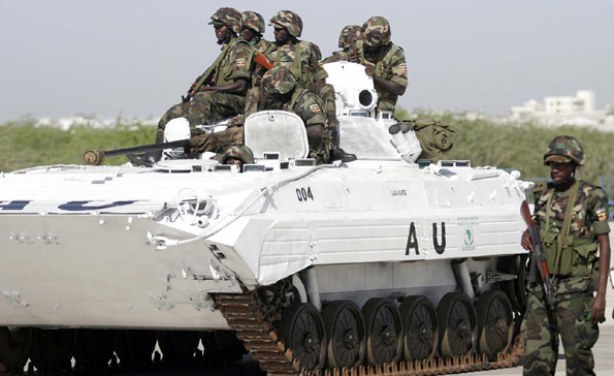
MV Au


Today, Reports from Lower shabelle region are saying that AMISOM forces evacuated last night and early this morning the two main important camps located at Torotorow village, outside Qoryoley town, and Carbiska camp, located between Mogadishu and Afgoie town, according to  residents and local Radio FM Andalus – which supports Al Shabaab. All these evacuated AMISOM forces are heading to Mogadishu, some residents of Torotorow village said.

Today, inside Mogadishu, AMISOM forces evacuated early today one of the biggest military camp at Barakaat St. Mortuary in the north of Mogadishu, residents said.  Most of the AMISOM forces of lower shabelle region evacuated at important camps and locations to defend it from Al shabaab fighters.

At the end, AMISOM forces based at Dayniile airstrip, west side of Mogadishu, were evacuated as well, as residents of Dayniile district told me. The evacuated AMISOM forces are already reached at Halane AMISOM military base inside Mogadishu Airport.

Africa ExPress Mogadishu Stringer

La Guinea Equatoriale sfida la Farnesina: altro italiano in Galera

0

Speciale per Africa Express
Andrea Spinelli Barrile
Roma, 28 giugno 2015

La situazione degli italiani in Guinea Equatoriale si fa sempre più drammatica: Roberto Berardi, in carcere dal gennaio 2013, attende senza speranze la data del 7 di luglio, quando, secondo il Tribunale di Bata, verrà liberato dall’inferno della galera. Si teme che il regime dittatoriale del sanguinario Teodoro Obiang escogiti un nuovo pretesto per tenerlo chiuso in cella.

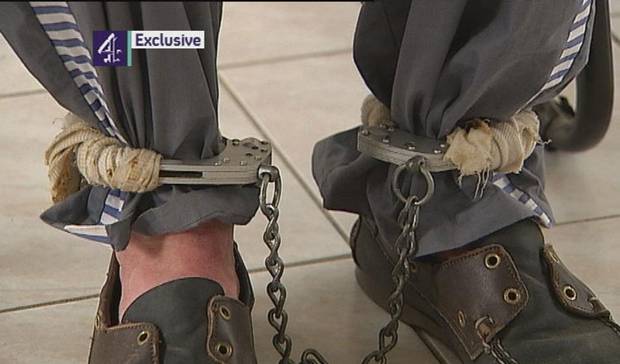
Ma c’è anche di peggio. Fabio Galassi, arrestato e detenuto a Bata dal 21 marzo scorso e ancora in attesa di conoscere le accuse, è stato protagonista mercoledì sera di un servizio del telegiornale nazionale guineano sul canale TVGE: in studio il giornalista lo ha accusato di essere stato “beccato con le mani in pasta” mentre tentava la fuga con soldi e documenti della società che amministrava, la General Work.

Appellandolo con l’epiteto di “cabron” (letteralmente “stronzone”) l’anchorman ha lanciato un breve servizio che comprende un’intervista a Galassi, il quale viene mostrato con indosso la divisa del carcere, molto dimagrito rispetto alle immagini mostrate in tv in occasione dell’arresto con il figlio Filippo.

To accompany feature Equatorial Poverty

La General Work, azienda fondata nel 2001 da altri soci italiani, già oggetto in passato di oscure macchinazioni della cleptocrazia al potere in Guinea Equatoriale (Igor Celotti, uno dei proprietari, nel 2007 morì in uno strano incidente aereo dal quale il pilota uscì miracolosamente incolume), da mesi non pagava gli stipendi ai dipendenti e le fatture ai fornitori, situazione aggravatasi dopo che nel novembre scorso la Camera di Commercio del piccolo paese africano aveva dichiarato lo Stato insolvente nei confronti di tutte le aziende straniere.

Un destino comune a molti, anche in tempi più prosperosi, con imprenditori spogliati di tutto e accusati a diverso titolo di questo o quel reato societario e fiscale.

Analizzando lo stile di quel servizio televisivo appare evidente come il tentativo muscolare e mediatico risponda perfettamente alle esigenze diffamatorie del regime.

[embedplusvideo height=”367″ width=”600″ editlink=”http://bit.ly/1eenXie” standard=”http://www.youtube.com/v/DFxZDm23Sng?fs=1&vq=hd720″ vars=”ytid=DFxZDm23Sng&width=600&height=367&start=&stop=&rs=w&hd=1&autoplay=0&react=1&chapters=&notes=” id=”ep6217″ /]

A Filippo Galassi invece, figlio di Fabio e anch’egli dipendente della General Work, erano stati concessi gli arresti domiciliari, fino a giovedì. Dopo la messa in onda del servizio infatti la polizia ha prelevato Filippo in casa, pare sostenendo di aver tentato di evadere dagli arresti, e portato in carcere. Con lui c’era anche un suo amico, e dipendente dell’azienda, Daniel Candio, 24 anni di Roma, anch’egli arrestato.

Attualmente tutti e quattro gli italiani nel carcere di Bata si trovano detenuti illecitamente, ognuno per motivi diversi: Berardi, che ha finito di scontare la pena, i due Galassi, dal 21 marzo senza conoscere il reato che avrebbero commesso, e Candio in fermo di polizia oltre le 72 ore previste come lecite dal codice penale della Guinea Equatoriale.

In questo quadro stordisce ancora il silenzio della nostra diplomazia, che sembra impotente spettatore di fronte a queste aperte violazioni delle stesse leggi della Guinea Equatoriale da parte, tra l’altro, di chi le ha scritte e dovrebbe farle rispettare: una questione della quale l’ambasciatrice guineana a Roma è perfettamente al corrente ma della quale non ha dovuto ancora rendere conto a nessuno.

catene ai piedi

L’ambasciata romana è infatti placidamente indisturbata ed è sconvolgente pensare che questo avviene in uno dei momenti più pericolosi per i connazionali in Guinea Equatoriale: negli ultimi mesi il regime degli Obiang ha dato una stretta feroce alla società civile ed agli stranieri e nel paese, racconta qualcuno, si vive “lo stesso clima che c’era in Costa d’Avorio qualche anno fa, prima della guerra civile”.

Cose che a Roma sembrano ignorare completamente: sul sito della Farnesina, infatti, il nome della Guinea Equatoriale non compare da nessuna parte sul portale “Viaggiare Sicuri”, che dovrebbe avvisare i connazionali di questo o quel pericolo. E questo avviene nonostante numerosi giornalisti e testate, come Africa ExPress, continuano a scrivere di violenze settarie, violazioni del diritto e della costituzione, arresti arbitrari.

Andrea Spinelli Barrile
aspinellibarrile@gmail.com
Skype: djthorandre
twitter @spinellibarrile

Militarization and Repression, the Insanity of Eritrean Government

0

NEWS ANALYSIS
Saba Makeda
Somewhere inside Eritrea, June 29th 2015

During the month of June 2015 the Commission of Inquiry (Commission) on Human Rights in Eritrea released its report: Report of the detailed findings of the Commission of Inquiry on Human Rights in Eritrea. The 453 page long report (not including the annexes) clearly describes the historical context of Eritrea, the Eritrean institutional/domestic legal framework, as well as the current status of human rights in Eritrea

The Eritrean Government reaction to the report, predictably has been one of declaring itself and the people of Eritrea as the victims of some global, fiendish plot against Eritrean people and the Eritrean Government. In a recent interview with the Chinese Television, CCTV news , the Eritrean Ambassador to Kenya, Mr Beyene Russom, states that he is Shocked! Bewildered! Stunned!, and finally Confused!. Because the report is very sickening and disgusting, virulent and outrageous in content.

[embedplusvideo height=”361″ width=”590″ editlink=”http://bit.ly/1GFjEDd” standard=”http://www.youtube.com/v/N5nvJfJJ4-Y?fs=1&vq=hd720″ vars=”ytid=N5nvJfJJ4-Y&width=590&height=361&start=&stop=&rs=w&hd=1&autoplay=0&react=1&chapters=&notes=” id=”ep9317″ /]

Ambassador Beyene Russom further states:  “We believe that the promotion of human rights is a process, it should not be confrontational as it has been depicted. This is an unwarranted attack against our social fabric our government “The Ambassador omits to mention that the Commission had attempted to engage with the Eritrean Government and particularly had  requested to travel to Eritrea and that in fact the Eritrean Government failed to engage or to respond.

The Eritrean Government is holding on to its siege mentality not only against the Commission’s report but also against the concerns and issues that are being expressed by young Eritreans, it is continuing with the approach that “they know it all” “it is my way or the high way” and that if we the Eritrean people are not in line with that then we are “defeatists and traitors”; or worse we have sold our soul to the twin devils “Ethiopia“, “USA”.CARTELLO Arrestate isaias
We are continuing with the narrative of Eritrea as victim of USA and other parties’ nefarious agenda in the Horn and at the same time we are not able to have any dialogue amongst ourselves about the Eritrean Government own CIA like involvement, in our name, in Darfur, Somalia, Sudan, South Sudan, Ethiopia, Democratic Republic of Congo, just to name the best known. I guess it takes a thief to know a thief.

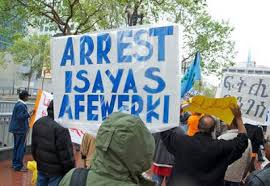
Since the report has been published both the Eritrean Government and Eritrean Human Right Organisations have organised demonstrations either against the Commission report or in support. On the 22 June 2015 the Eritrean Government organised a demonstration against the Human Right report in Geneva. A well-attended and colourful flag waving demonstration.

The Eritrean Human Rights demonstration happened in Geneva on 26 June 2015 also well attended and by Eritreans in the Diaspora clearly giving a signal to Eritreans back home that their suffering is known to the people in the Diaspora.

The Eritrean Government, in continuing to attempt to discredit: the Eritreans who are telling of their experiences – discrediting their stories rather than taking action to ensure that such things do not continue to happen; the Eritrean Human Right  organisations, as well as the Eritrean opposition (such  as it is ) .

It is ironic that the very Government that is denying Eritreans so many rights, including the right to speak, in Eritrea and many cases threatens Eritreans in host countries, has no problem availing itself of those rights in third countries to deny the Eritreans the rights to their own stories and experiences
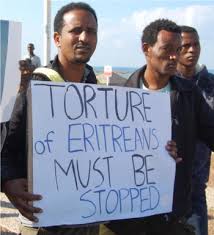
demo con cartello 1

As we engage on the human right issues in Eritrea and the situation of our country in general it is important to understand that Commission’s Report is assessing Eritrea against international human right obligations that the Eritrean Government has freely entered into. In other words the standard being applied is not some kind of plot against Eritrea but a standard that the Eritrean Government has agreed to. 

The Eritrean Government clearly wants the Ethiopian Government to be held accountable for its international agreements (i.e. the Algiers Agreement) however it is not prepared to be held accountable for the application of the Human right law and the protection of the rights of its own people.

Specifically the Eritrean Government has adhered to the following universal and regional human right treaties:

  • The Convention on the Rights of the Child since 1994 – and its two Optional Protocols since 2005,
  • The Convention on the Elimination of All Forms of Discrimination against Women since 1995,
  • The African Charter on Human and Peoples’ Rights since 1999,
  • The African Charter on the Rights and Welfare of the Child since 2000,
  •  The International Convention on the Elimination of Racial Discrimination since 2001,
  • The International Covenant on Economic, Social and Cultural Rights since 2001,
  • The International Covenant on Civil and Political Rights since 2002,
  • The Convention against Torture and other Cruel, Inhuman or Degrading Treatment or Punishment since September 2014.

Under the abovementioned human right treaties, the Eritrean Government has the obligation to protect the human rights of the Eritrean people by enacting and enforcing national laws that protect human right. This is not happening and the justification that we are being given is that the country is in state of emergency because of the unresolved border issue with Ethiopia.
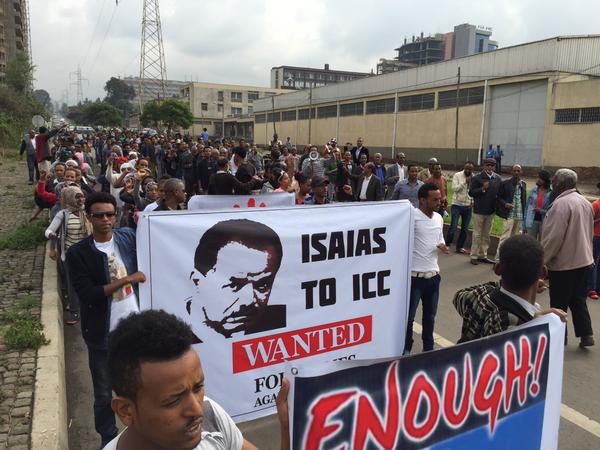
Isaias ICC

The Human Right conventions do provide for derogations under exceptional circumstances. However such derogations cannot be discriminatory and are regulated by the Human Right treaties themselves

The International Convention on Civil and Political rights – Art 4 requires Governments to give notice to the UN of circumstances arising that may require a derogation of certain rights. Article 4 further states that the following rights are non- derogable and must be respected at all times including during emergencies such as the one claimed by the Government of Eritrea:

a)    Right  to life ( shoot to kill policy that  despite the  assertions  to the contrary  is  still applied)

b)    The prohibition  against  torture or  cruel and inhuman  degrading punishment  (i.e. being jailed for  life and having  no  access to  family,  the beatings,  tying  people in  a figure 8  or  helicopter  position,  overcrowding  and poor  sanitation,  solitary confinement  for  extended period etc.  );

c)     Prohibition of  slavery  and  forced labour ( Warasy Ykalo  is a  programme  that has nationalised Human  Resources and is akin to  forced labour )

d)    Freedom of thought, conscience and religion (the arrest of journalist, Jehovah witness and other religious groups. The detention of Abune Antonios the head of the Orthodox Church first under house arrest, 2006 to  2007 and now  incommunicado

To date the Eritrean Government has not given any notice to the UN of circumstances arising that require the derogation of the rights of Eritreans. In fact in Eritrea there has never been a curfew nor has there been a formal declaration of a state of emergency.
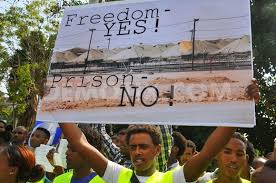
demo con cartello 3

What we do have and continue to have is an Eritrean Government, describing Eritreans telling their stories and voicing their concerns as traitors and generally treating all Eritreans and especially dissenters in a contemptuous manner.

The People Front of Democracy and Justice (PFDJ) has forgotten that all Eritreans love Eritrea and that the land of Eritrea is in our blood and that we have imbibed the essence of this land through our mothers milk, our water, our tea, and our coffee and that this love and connection to the land is higher in the order of things than any connection to the People Front of Democratic Justice (PFDJ). This connection and prioritisation was clearly demonstrated during the war with Ethiopia in 2000, when the young conscripts, the same people that are now protesting and are becoming refugees, disobeyed orders to abandon their posts and held the line in the battle for Assab.

The current contest between us the new generation of Eritreans and the Eritrean Government, is not a denial of our heritage as Eritreans, nor is it a denial of the accomplishments of the generations that have come before us, it is in fact an affirmation of that heritage and our commitment, as Eritreans, to fight against injustice and tyranny, even when that injustice and tyranny is perpetuated by one of our own. Our call is not Victory to the Masses! – for the Eritrean People are not an amorphous entity they are a deliberate coming together of many Peoples. Our call is Victory to the Eritrean People!

In 2001 we, the people of Eritrea wanted to know:

  • How and why Eritrea/Ethiopia war that killed over 100,000 Eritreans was started. In particular given the troubled history between the Eritrean liberation movement and the Tigray People Liberation Front in Bademe – how is it that we failed to prevent Bademe becoming such an issue. Also  how is it that  we failed to exercise the proper level of Government control of Alietena and parts of Tsorona so that in fact the Eritrean people have lost territory
  • What happened to our troops in Bademe in 1999?
  • How was it that our troops were not as well prepared as we thought?
  • Who was responsible for the war strategy in 2000? Who gave the order to dismantle Assab and to retreat from the Assab front?
  • why we did not accept in Feb/March 2001 the peace agreement that we accepted in June 2001–possibly sparing the loss of so many lives on both sides
  • How has the current policy of refusing to talk to Ethiopia actually helped Eritrea?

In 2015, we the Eritrean people want:

  • To know where are the political prisoners
  • To know why are our children tortured
  • To Know why are our children being used as slave labour
  • The Government to account for the hard line policy that has been applied in Eritrea, for more than a decade, and that has resulted in the isolation of Eritrea is isolated both regionally as well as globally
  • To know what the Eritrean Government is doing with the money from the mining industry – noting that when the former and much feared Minister of Finance and Development: Mr. Berhane Habtemariam asked the same question he was frozen meaning that he is not allowed to work or leave the country. The human right implications of being  frozen are clearly described by the Commission in the current  report

To date not only there are no answers to the questions raised above, there is also no space or possibility of engaging in any meaningful way with the Eritrean Government on the issues. We the Eritrean people, in our own country, are not able to question or engage the Eritrean Government at any level on how the country is being managed and in particular on how our relationship with Ethiopia is being managed.
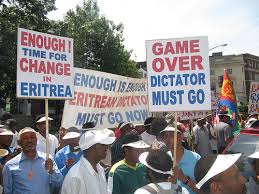
cartelli

The group of ministers (G15) that tried to do so were arrested in 2001 and have disappeared as have so many after them. As it is not possible to have our voices heard in Eritrea, without being condemned as traitors or worse defeatist we must raise our issues wherever we are – in this also we are following a long tradition.

What we do have is a highly militarised Dergue like dictatorial regime justified on the basis of the continuing “No war; No Peace situation in the country”. After more than thirteen years of the current highly militarised hard line policy toward Ethiopia it must be clear that it is  not working and that it is not getting us what we want – Ethiopia out of Bademe, normalisation of relationships, including trade, with Ethiopia.

According to Albert Einstein insanity is “when we keep doing the same thing over and over again and we expect different results”. The continuation of the current Eritrean militarised hard line policy not only with Ethiopia but also with its own People fits this definition of insanity. It is time to change. 

Makeda Saba
makedasaba@ymail.com

Tony Blair coinvolto nell’intrigo internazionale con il capo dello spionaggio ruandese

0

Speciale per Africa ExPress
Cornelia I. Toelgyes
Quartu Sant’Elena, 26 giugno 2015

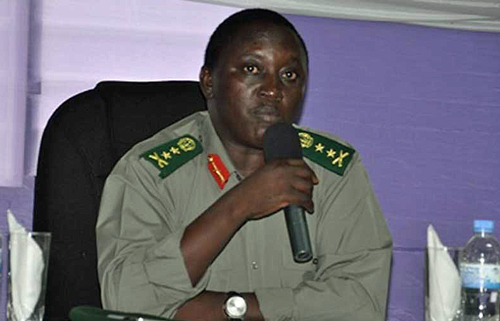
Emmanuel Karenzi Karake, capo dello spionaggio del Ruanda, arrestato sabato 20 giugno 2015 a Londra in ottemperanza a un mandato di cattura internazionale emesso dai giudici spagnoli (http://www.africa-express.info/2015/06/24/arrestato-londra-generale-ruandese-accusato-di-aver-trucidato-cooperanti-spagnoli/), è stato liberato ieri dopo aver pagato una cauzione di un milione di sterline. Ma dovrà rimanere a Londra agli arresti domiciliari per partecipare alla prossima udienza, il 28 ottobre prossimo.

La sua scarcerazione è stata annunciata da Cherie Booth, avvocato dello studio legale Omnia che rappresenta la difesa di Karake. La Booth è  moglie di Tony Blair, uno dei consiglieri del governo ruandese.

Secondo fonti ufficiali, Karake si sarebbe recato a Londra per incontrare il suo omologo britannico, Alex Younger, capo dell’ M16, il 18 giugno scorso, ma l’appuntamento è stato annullato all’ultimo momento. Due giorni dopo il generale ruandese è stato arrestato.

Emmanuel-Karenzi-Karake-web

L’ambasciatore del Ruanda in Gran Bretagna, William Nkurunziza’s, ha fortemente criticato quanto accaduto e ha dichiarato: “L’arresto di Karake è una mancanza di rispetto verso il mio Paese. Il generale è un alto funzionario, è stato inviato in missione a Londra e il governo britannico ne era a conoscenza. E’ stato arrestato come un comune criminale da un governo amico”. Dal canto loro, fonti governative ruandesi hanno commentato con queste parole: “Le accuse sono infondate, senza sostanze, la motivazione è di carattere politico”.

Il mandato d’arresto nei confronti di Karake fu spiccato sette anni fa; durante questo lungo lasso di tempo è stato diverse volte a Londra. Non è chiaro perché l’ordine sia stato eseguito solo ora.

Durante l’udienza di ieri, il generale ha rifiutato la sua estradizione volontaria in Spagna. Dunque il giudice ha fissato una nuova udienza per il 28 ottobre 2015. Nel frattempo Karake dovrà restare a Londra agli arresti domiciliari, in una casa di proprietà dell’ambasciata ruandese.

Quindi la storia è un po’ ingarbugliata
e complessa, più di quanto si sia potuto supporre in un primo momento. Sul palcoscenico di questo intrigo internazionale recitano attori inimmaginabili: Kerenzi capo dell’intelligence ruandese; Cherie Booth, avvocato di Karake e moglie dell’ex premier britannico Tony Blair; Tony Blair, consigliere del governo del Ruanda; i giudici spagnoli che hanno emesso un mandato di cattura internazionale contro Karake, accusato di aver ordinato l’omicidio di alcuni operatori umanitari iberici durante la guerra condotta dai ruandesi in Congo Kinshasa; l’M16, cioè lo spionaggio britannico e il suo capo, Alex Younger, che aveva un appuntamento con Karake; i giudici britannici che ne hanno ordinato l’arresto; il governo ruandese del presidente Paul Kagame (alla ricerca di una modifica costituzionale per permettergli di aspirare a un terzo mandato), che protesta; il governo britannico conservatore di David Cameron che non sa bene che cosa fare.

Cornelia I. Toelgyes
corneliacit@hotmail.it
@cotoelgyes

Somalia: the Day after the Attack at the Amisom Base, a Massacre

0

Telegram from Somalia
Africa ExPress stringer
Mogadishu, 24 June 2015

The situation of Leego village is relatively calm, and the area of the fighting of yesterday controlling by al Shabaab militia until last night, residents said after having contacted by phone from Mogadishu.

“They (Al Shabaab militia) left early this morning, moving to jungles surrounding areas in a different directions,” said one resident based at the area.  Eyewitnesses are mentioning that more than 50 dead bodies of AMISOM, mainly Burundians were collected by Al Shabaab from the fighting scene, and brought in one place. While, some other reports from the area said that more than 32 AMISOM soldiers are missing in-action until now.

Camionette cariche

Some other reports are mentioning that the new AMISOM forces are expecting heading toward Leego village, which is the areas occurred the fighting of yesterday, as sources of the Somali government based in Ballidogle military base said today.  Some other reports said that the death toll of the Burundian AMISOM forces were reached 70, but there is no official comment from either Somali government or the AMISOM it self until now.

This morning the public and private transports are suspended because, the main road linking from the capital Mogadishu to Baidoa town which is 250 km distance is blocked by the fighting of yesterday and the drivers said there is no security at all of the road. “When you reach Wanlaweyn, you can not move after that destination, because of the crises of the fighting,’ said one driver who spoke with local media early this morning.

Africa ExPress Mogadishu Stringer

Government Officers Kidnapped during Shabaab Attack AMISOM base in Somalia (26 June 2015)


UPDATE 3 – Government Officers Kidnapped during Shabaab Attack AMISOM base in Somalia

1

Telegram from Somalia
Africa ExPress stringer
Mogadishu, 24 June 2015

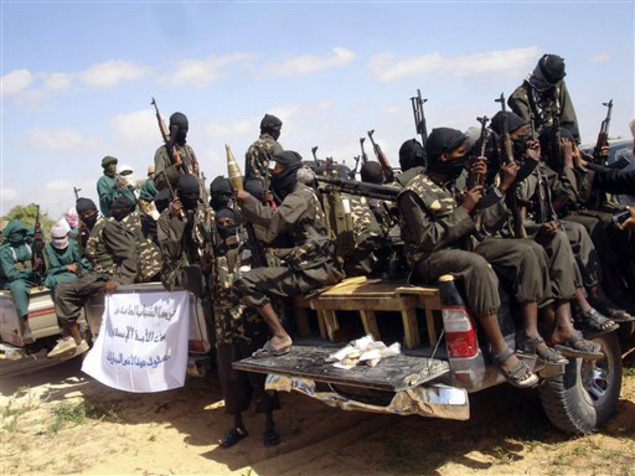
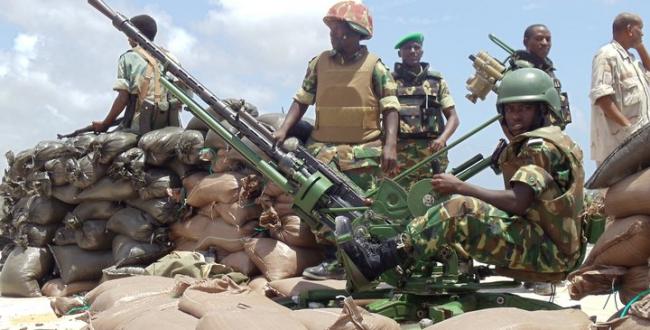
Reports from Leego village area of between Wanlaweyn and Bur Akaba of southern are saying that heavy fighting occurred there when Al Shabaab militia attacked at AMISOM military camp located at Buulo Colow village around Leego area, residents said, when we spoke with phone after the fighting.

Al Shabaab begun the attack using the a suicide car bomb, then  entered tat the camp, following the direct attack of the forces of Al Shabaab. The majority of the soldiers in the camp are Burundian.

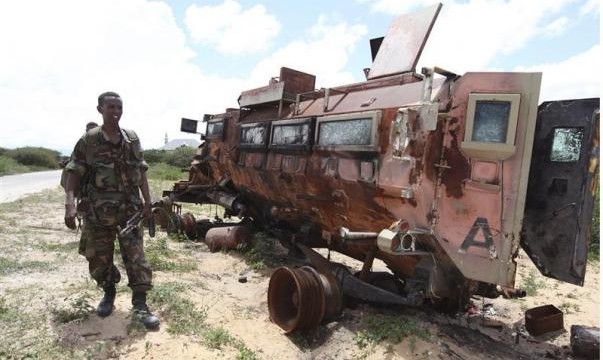
A Somali soldier looks at a burnt vehicle belonging to the AMISOM, as he patrols Dayniile district

Al-Andalus FM, local radio administered al-shabaab said they killed more than 40 AMISOM forces and kidnap other dozen, spokesman of the group said during local media of the group airing today.

Residents said the fighting were going on more than 4 hours and they could not mention exactly, other severe casualties exist “we can not mention the other casualties because the area is an empty, no one is moving in and outside the camp”, said one resident of the area.

Initial reports from AMISOM
is saying that still the fighting is going on until now, The office of public relation said after contacted by phone here Mogadishu.  Some other extra reports saying that Al Shabaab taken inside the camp huge army and ammunition, residents said after having contacted by phone from Mogadishu.

gruppo con cannone

The fighting is going
on until now, and Al Shabaab did not kill this exaggerated number, but we will investigate the case,” said the www.allbanaadiir.com a local Somali website said, when they contacted to AMISOM.

Another development from the areas of the fighting of today are saying that more than 33 Somali government officers were kidnapped by Al Shabaab during the attack, residents and Abdulkadir Sidii, the Governor of lower Shabelle region said.  “More Government officers were disappeared during the fighting, including Mr. Omar Dheere, South west regional government minister, and Abukar Leego, the commissioner of the Leego district occurred the fighting, located in between Lower Shabelle and Bay regions, and many women members working inside the camp”, the governor indicated.

Africa ExPress Mogadishu Stringer

Ragazzine kamikaze a loro insaputa, Boko Haram all’attaco in tutta la Nigeria

0

Speciale per Africa ExPress
Cornelia I. Toelgyes
Quartu Sant’Elena, 25 giugno 2015

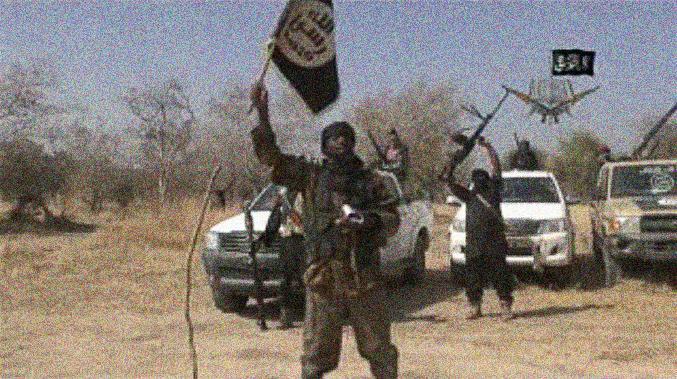
Aveva solo dodici anni quando l’hanno costretta a suicidarsi martedì mattina, 23 giugno 2015, al mercato settimanale di Wagir, nel distretto di Gujba, nel sud dello Yobe State (nord-est della Nigeria). Con lei sono morte altre dieci persone. Innocenti come lei.

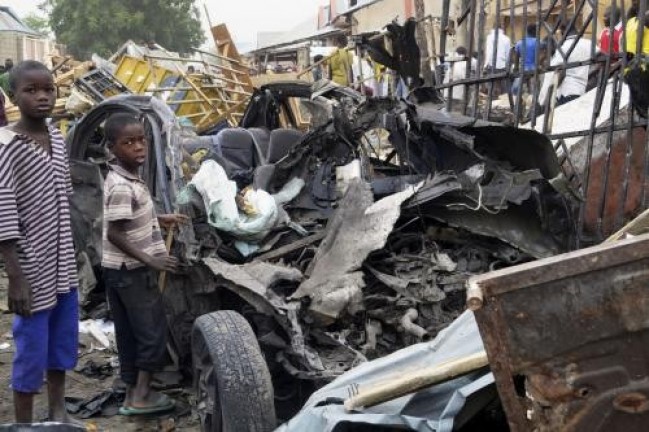
La ragazzina, una delle tante vittime dei sanguinari Boko Haram non ha potuto ribellarsi al suo destino. Plagiata, educata all’obbedienza e alla sottomissione più totale, imbottita di esplosivo, si è diretta verso il reparto granaglie, appena arrivata al mercato e lì, in mezzo a clienti e venditori ha premuto il detonatore.

Oltre
alla giovane, sono state uccise altre dieci persone, i feriti sarebbero una trentina, ha dichiarato ai reporter dell’agenzia di stampa AFP, Hussaini Aisami, un testimone oculare.

devastazione 600

Il giorno precedente un episodio simile si è verificato a Maiduguri, capitale del Borno State, nel nord-est della Nigeria. Una giovane dell’età di diciassette anni si è fatta esplodere a una stazione di autobus, non lontana dal mercato del pesce. Insieme a lei sono morte altre diciassette persone. Una ventina i feriti.
Poco più in là, un’altra ragazza, più o meno della stessa età, è stata costretta a compiere lo stesso gesto; fortunatamente non ci sono state altre vittime.

Analisti non escludono che le bombe possano essere detonate a distanza da una terza persona, specie se le “kamikaze” sono soggetti molto giovani. Finora i sanguinari terroristi jihadisti non hanno (ancora) confermato questi attentati.

Lunedì 22 e martedì 23 giugno 2015 sono state ammazzate altre quaranta persone dai feroci militanti Boko Haram, a Debiro Hawul e  Debiro Bi, due villaggi nel Borno State. Testimoni oculari hanno riferito che in entrambi gli attacchi, aderenti alla setta sarebbero entrati nei villaggi, sparando all’impazzata, poi avrebbero portato via tutto dalle povere case prima di incendiarle.

L’attività dei sanguinari terroristi non si limita al territorio nigeriano: infatti sembra che siano stati loro la settimana scorsa a uccidere almeno trentotto persone nel vicino Niger. Bulu Mammadu della polizia militare nigerina ha dichiarato ai reporter della BBC: “Hanno sparato durante la notte a Lamina e Ungumawo due villaggi nella regione di Diffa, a poca distanza dal confine con la Nigeria, uccidendo soprattutto donne e i loro bambini e incendiando diverse case”.  Il giorno prima, invece, un kamikaze si è fatto esplodere nel Ciad, che ha prontamente risposto con un raid aereo, bombardando postazioni dei Boko Haram. I fatti risalgono al 17 e 18 giugno 2015.Sventolio bandiere

E svaniscono così le promesse pre-elettorali del neo-presidente Muhammadu Buhari.  Almeno per ora, l’ex-generale golpista del 1983 non è stato in grado di contrastare i terroristi.

Il prossimo 20 luglio Buhari sarà ospite di Barack Obama alla Casa Bianca. Tema centrale dell’incontro sarà la setta Boko Haram, anche se certamente altri argomenti saranno presi in esame, come riforme politiche ed economiche. Buhari è pur sempre il presidente del Paese che dal punto di vista economico è il più importante di tutto il Continente africano.

Cornelia I. Toelgyes
corneliacit@hotmail.it
@cotoelgyes

Mogadiscio, gli shebab attaccano convoglio degli Emirati Arabi: 12 morti illeso l’ambasciatore

0

Africa ExPress
Mogadiscio, 25 giugno 2015

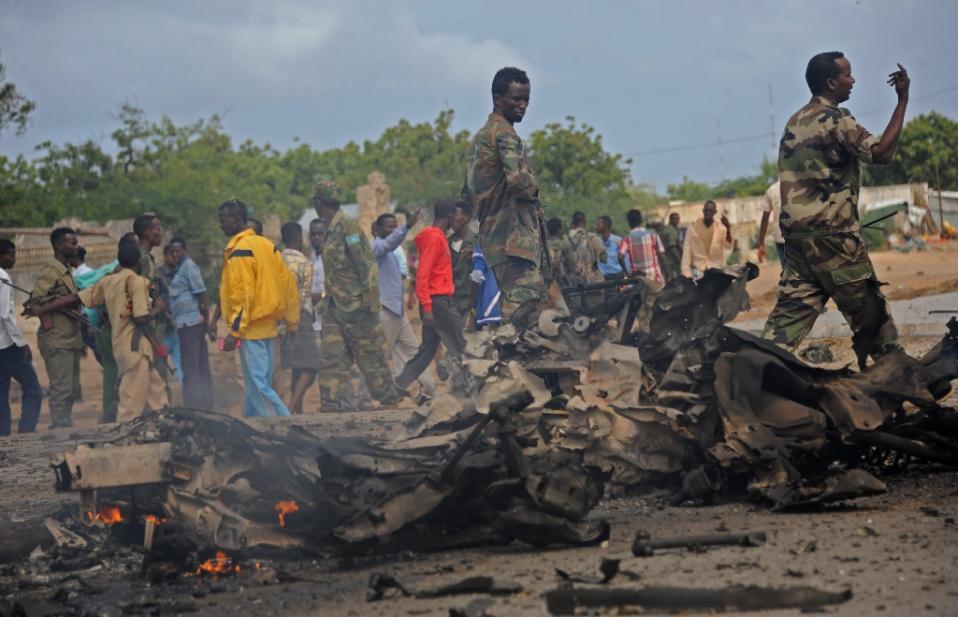
Un’autobomba è esplosa ieri mattina a Mogadiscio (Somalia), uccidendo almeno dodici persone, tra le quali anche quattro militari.  Obbiettivo dell’attentato è stata la vettura, per giunta blindata, sulla quale viaggiavano diplomatici degli Emirati Arabi Uniti (EAU).

L’attacco è
stato rivendicato da Sheikh Abdiasis Abu Musab, portavoce delle operazioni militari dei terroristi, il quale ha spiegato ai reporter di Reuters: “Abbiamo colpito i delegati del nemico”. Hussein Afrah, un ufficiale somalo, ha precisato: “Gli occupanti della vettura blindata erano istruttori militari, nessuno di loro era armato”.

bomba emirati

L’esplosione è avvenuta nelle vicinanze di un ospedale militare del Ministero della difesa somalo. Subito dopo è stata ingaggiata un’intensa sparatoria. Alcuni testimoni oculari hanno riferito che alcuni civili hanno trasportato le vittime nel vicino ospedale, mentre i soldati  hanno sparato alcuni colpi in aria per disperdere la folla.

Nick Kay, l’inviato dell’ONU in Somalia, ha severamente condannato questo attentato e ha dichiarato di aver parlato personalmente con Mohamed Al-Othman, ambasciatore degli EAU in Somalia, che fortunatamente è rimasto illeso.

Dall’inizio del Ramadan sono state uccise almeno dieci persone, tutti funzionari del governo somalo. Gli Al-Shabaab hanno mantenuto ciò che avevano annunciato poco prima del mese di digiuno: “Durante il Ramadan intensificheremo le nostre offensive”.

Africa ExPress