
 Special for Africa ExPress
Valentina Vergani Gavoni
22 October 2025
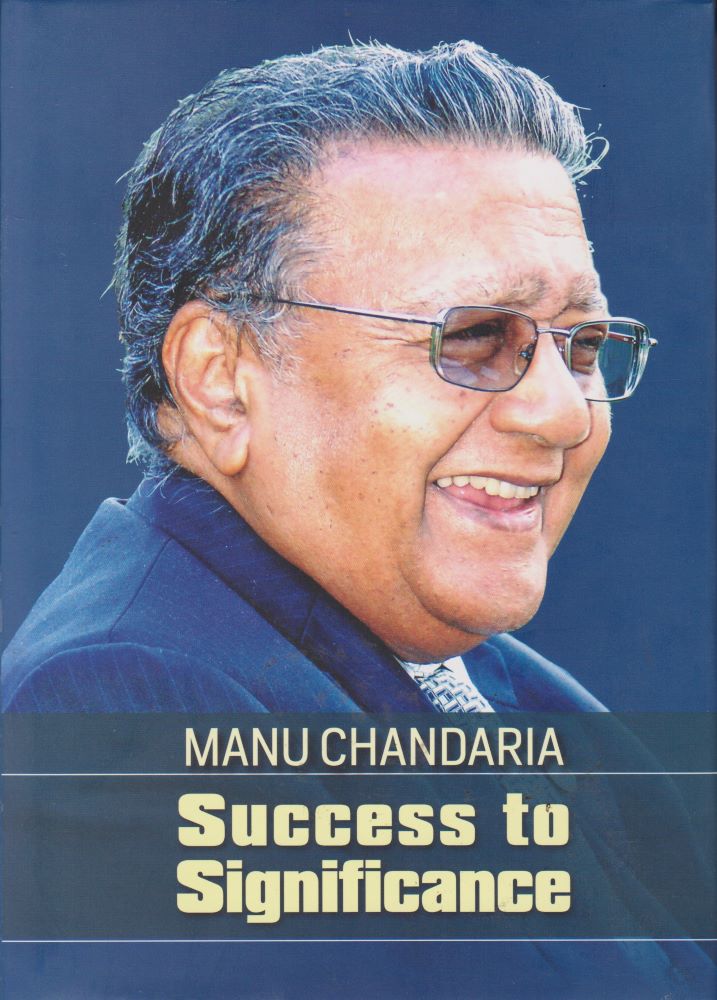
Success to Significance, entrepreneurial success in Africa that becomes valuable for the whole world: this is the message that Manu Chandaria – with the collaboration of journalists Kwendo Opanga and Charles Wachira – wants to convey.
In his 327-page book, he tells his story. An entrepreneur of Indian origin, born in Nairobi, the son of immigrants, he has been able to transform life’s challenges into a winning philosophy. Few people know this, but he has a virtual global monopoly on clothes hangers. His factories produce billions of them every year.
Dual Cultural
Dr. Chandaria, a senior member of the Comcraft Group of Companies, which operates in around 40 countries (four companies are in Italy), and of the board of directors of several major companies in East Africa, describes himself as an “Asian African”. This expression is used to proudly express a dual cultural and emotional belonging.
It is intended as encouragement for all those who, despite having different origins, identify fully with Africa, where they were born, grew up or have lived most of their lives.
It is not only an ethnic issue, but also a political and social one: these citizens feel an integral part of African society, history, development and destiny.
Concrete and inspiring example
Manu Chandaria can be considered a concrete and inspiring example for the continent’s development from various points of view: economic, social, educational and in terms of values.
He built his success in Africa, for Africa. He did not simply exploit resources or cheap labour. He created local companies, stable jobs and autonomous industrial supply chains.
Philanthropy and community development
He promoted the production and transformation of local African businesses, reducing dependence on imports. And his experience shows that profit and social impact can coexist. It is ethical capitalism because his companies produce economic value but reinvest in society through philanthropy and community development.
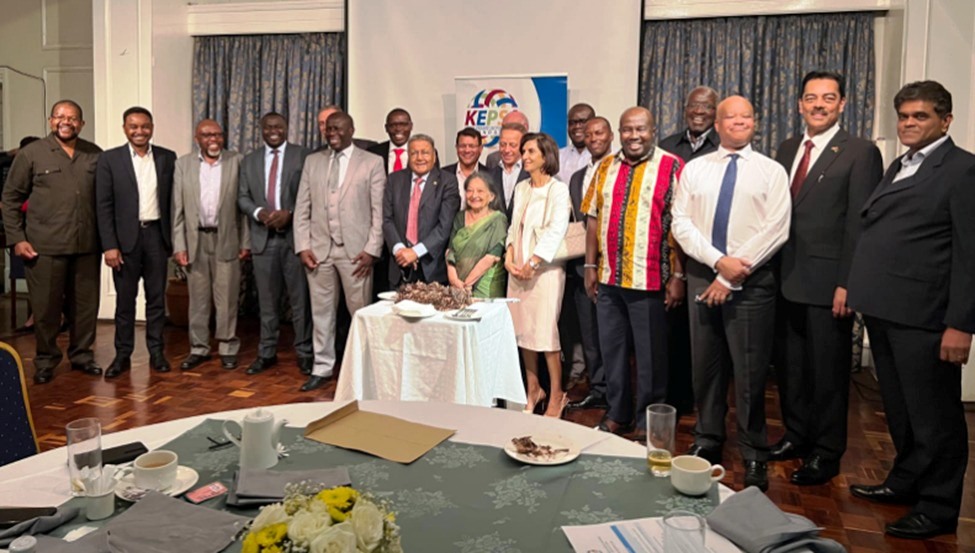
In fact, he has shown that a business can be sustainable, ethical and profitable at the same time. But that’s not all: he has invested in education and human capital by funding schools, universities and scholarships. His commitment is based on the belief that the only real long-term development must necessarily come through education and training.
For him, Africa’s true asset is its young people, whom he has always actively supported. This ideal contrasts with rampant corruption and nepotism. He has given a credible and human face to the figure of the African entrepreneur, countering negative stereotypes.
Indian naturalized as a Kenyan
As an Indian immigrant naturalised as a Kenyan citizen, he has shown that cultural integration can generate value, bringing innovation and intercultural dialogue and helping to build a more inclusive, multicultural and cooperative African society.
The title of his book summarises a lesson that needs to be shared: it is not enough to be “successful” in the traditional sense (wealth, fame, power); you also need to transform that success into meaning. A contribution to the common good.
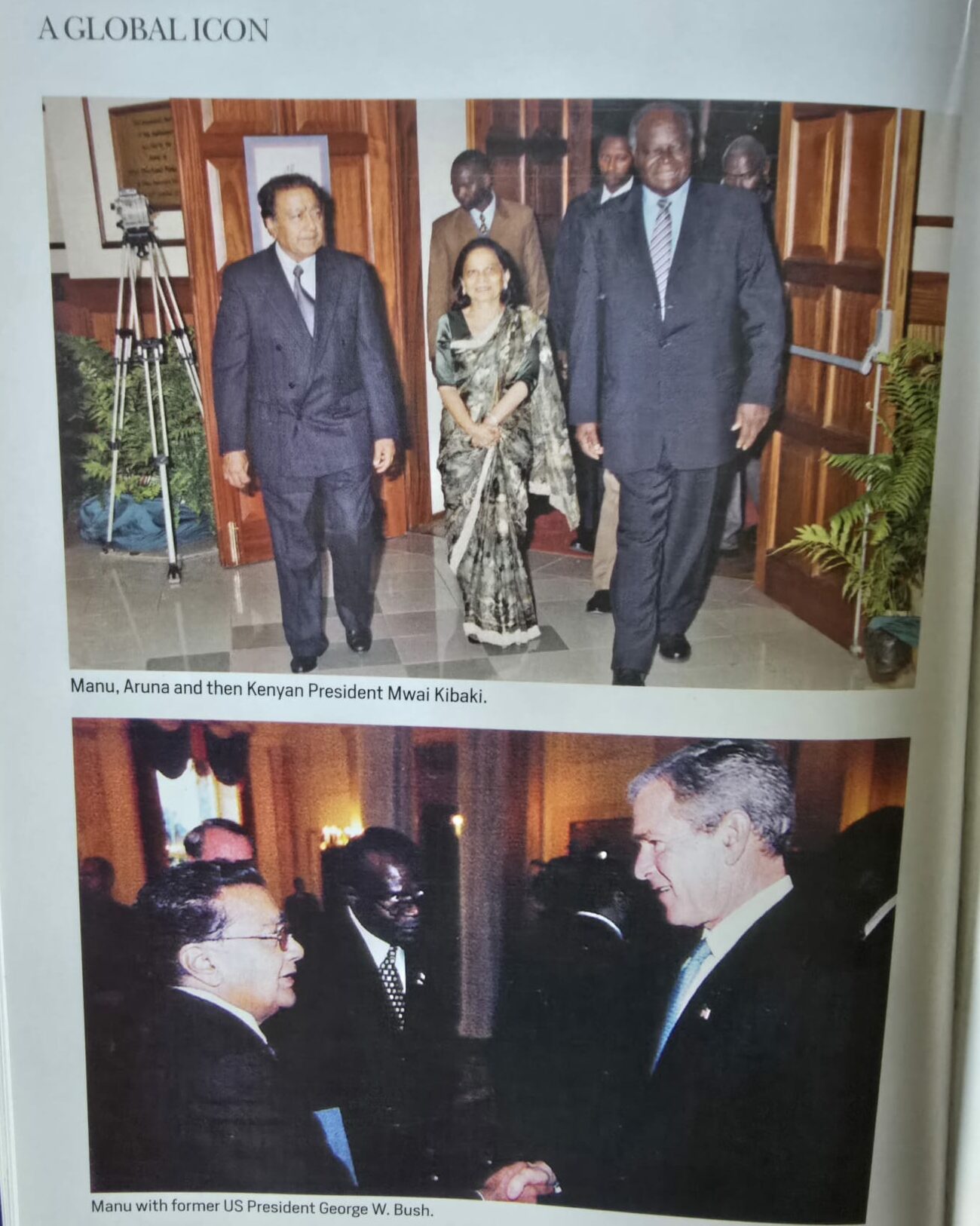
Manu Chandaria and his family have shown how a family of immigrants can put down roots in a new country and make a significant contribution to its development.
In the early decades of the 20th century, his family arrived in Kenya from India, when it was still under British colonial rule. Like many Indians at the time, they started small businesses, living in communities that were often marginalised but close-knit.
Many sacrifices
Through many sacrifices, the entrepreneur built a pan-African industrial empire and, together with his family, founded and developed the Comcraft Group, a multinational and transnational conglomerate. This created thousands of jobs in Africa, strengthening local industry in several countries.
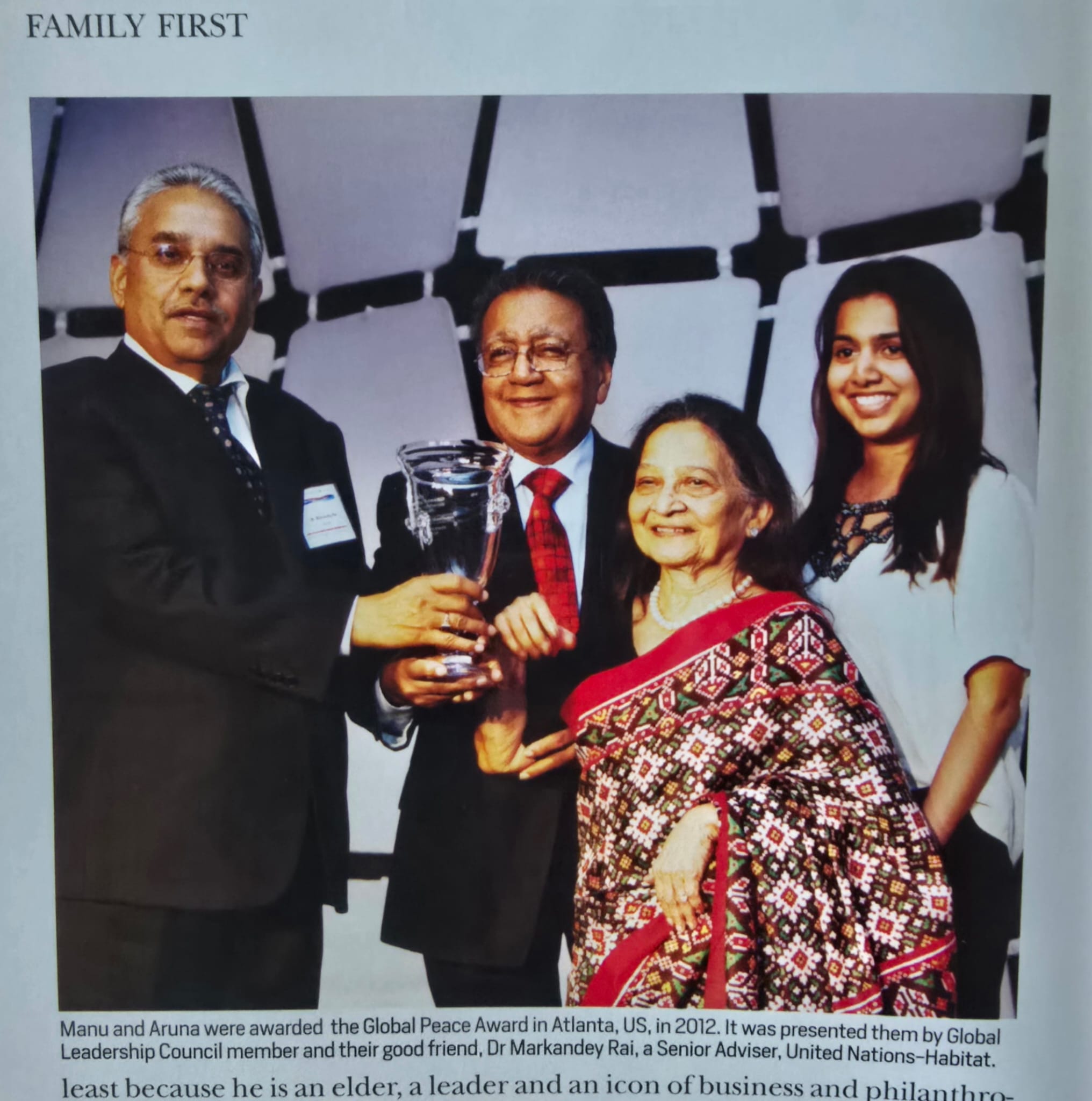
Chandaria has always focused on long-term investments rather than simple speculation. His entrepreneurial figure fits into the African economy as an emblematic example of ethical and inclusive capitalism, in stark contrast to predatory or purely speculative models.
His contribution goes far beyond the creation of personal wealth: he has influenced industrial development, entrepreneurial culture and the model of responsible business in Africa.
Valentina Vergani Gavoni
© ALL RIGHTS RESERVED
Would you like to contact Africa ExPress? Send a WhatsApp message with your name and region (or country) of residence to
+39 345 211 73 43
You can subscribe to Africa Express for free on the Telegram platform at https://t.me/africaexpress
and on the WhatsApp channel https://whatsapp.com/channel/0029VagSMO8Id7nLfglkas1R