
Two prominent Israeli NGOs denounce genocide in Gaza:
for B’Tselem and Physicians for Human Rights Israel,
what is happening between Israel and Gaza can no longer be ignored.
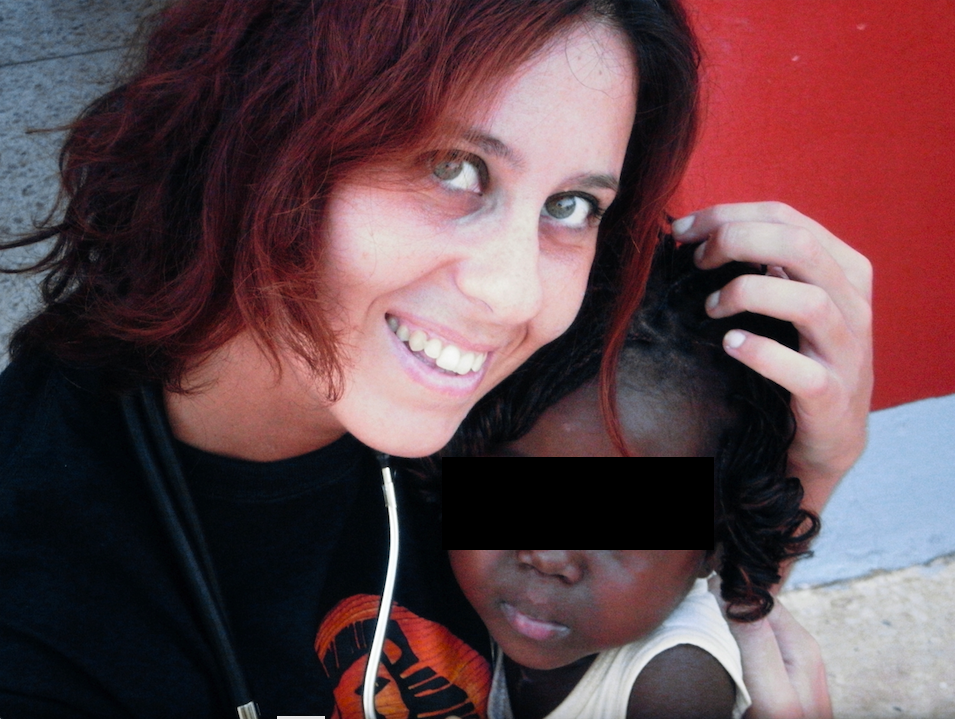 Special for Africa ExPress
Federica Iezzi
Returning from Gaza, August 5, 2025
“For Israelis of my generation, the word genocide should have remained a nightmare from another planet. A word linked to photographs of our grandparents and the ghosts of European ghettos, not our neighborhoods. We were the ones wondering, from afar, about others: how could ordinary people go on with their lives while something like this was happening? How could they allow it?”
It is with these words that Yuli Novak, executive director of B’Tselem—Israel’s most representative human rights organization—talks about the new report Our Genocide, the result of months of work by Israeli and Palestinian activists.
Recent publications
The report parallels the recent publication by Physicians for Human Rights-Israel (PHRI), Genocide in Gaza.
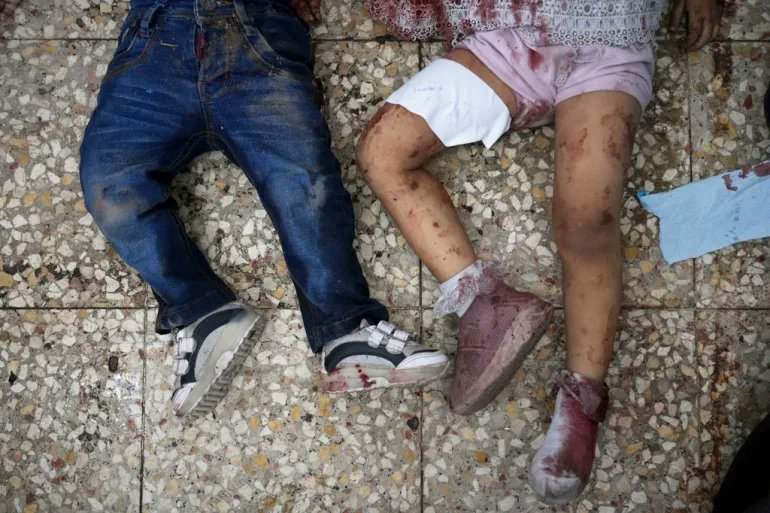
Systematic demolition
The B’Tselem report focuses on the systematic demolition of Palestinian society in Gaza. The PHRI report provides a legal analysis based on Israel’s deliberate destruction of Gaza’s healthcare system.
Mass killings, violent population transfers, systematic destruction, and dismantling of Palestinian society at every level: this is the basis of Israel’s genocidal campaign, fully evident in Gaza, still hidden in the West Bank. The scale is different, the logic is the same.
Genocide is not simply a legal category, but a distinct form of political and social violence. The goal is not only to kill, but to ensure that a group can no longer exist in the future.
And where does it strike? The dimension in which it ruthlessly operates is the devastation of the family unit.
Healthcare system
A fundamental pillar of civil life is the healthcare system. Israel has completely destroyed Gaza’s ability to care for its population through indiscriminate attacks on hospitals, obstruction of medical evacuations and humanitarian aid, and elimination of essential services such as surgery, dialysis, and maternal and child health.
According to the PHRI, the Israeli campaign has decimated Gaza’s healthcare infrastructure “in a calculated and systematic manner.” These actions are not incidental to war, but deliberate and targeted.
The attack by Hamas’ armed wing on Israel triggered a change in the country’s policy towards the Palestinians in Gaza, shifting from repression and control to destruction and annihilation. Jewish-Israeli public opinion rejects accusations of genocide as anti-Semitic towards Israel.
Margins of politics
It is true that human rights groups are considered marginal in Israeli politics and their views are not representative of the majority of Israelis, but the fact that the accusation of genocide comes from Israeli voices breaks a taboo in a society that has been reluctant to criticize Israel’s conduct in Gaza.
Calls for the extermination of Palestinians did not arise from the violence of October 7, 2023. They date back to the 1930s and gained strength—and greater public acceptance—with the fading prospects for peace in the 1990s, the rise of existential anxiety among Israelis, and the increase in the political power of religious Zionists in the 21st century.
Source of inspiration
Most of the precursors of modern Zionism consider themselves secular. Nevertheless, they adopt the main Jewish symbols and treat Jewish tradition and religious texts as a source of inspiration, while not attributing legal authority to them.
This creates an opportunity for Israeli leaders to use biblical texts to promote political goals. The Bible contains some explicit narratives of annihilation. The best known is the story of Amalek. “In a war between Israel and Amalek, killing and annihilating infants and children is a commandment. And who is Amalek? Anyone who wages war against the Jews” – words spoken in 1980 by Israel Hess, who at the time held the official position of rabbi at Bar-Ilan University in Israel.
Federica Iezzi
federicaiezzi@hotmail.it
Twitter @federicaiezzi
©️ ALL RIGHTS RESERVED
Translated from Italian with DeepL.com. English version edited by Ellie Spring.
La versione italiana di questo articolo si trova qui
Would you like to contact Africa ExPress? Send a WhatsApp message with your name and region (or country) of residence to the number
+39 345 211 73 43
You can subscribe to Africa Express for free on the Telegram platform at https://t.me/africaexpress
and on the WhatsApp channel https://whatsapp.com/channel/0029VagSMO8Id7nLfglkas1R