
Keith Richburg è stato corrispondente del Washington Post
da Haiti, Nairobi e Seul. Poi vicedirettore.
Ora è membro del Comitato editoriale
del Washington Post, e ha dato il consenso per pubblicare
questo editoriale uscito sul quotidiano americano.

EDITODIALE
dal Washington Post
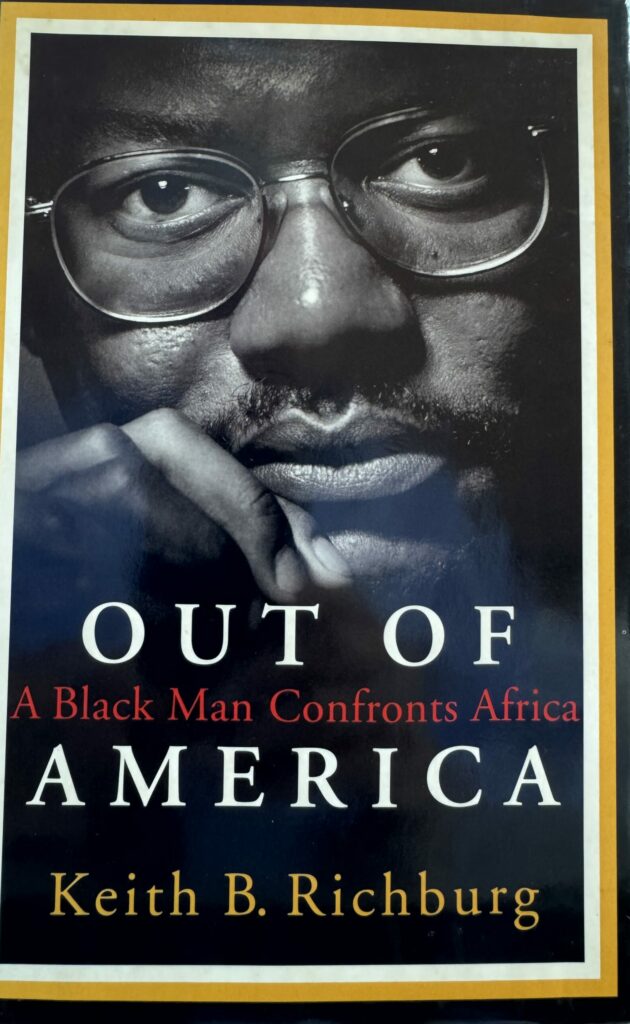
Keith B. Richburg*
Washington, 14 febbraio 2025
(Original version in English at the end)
Una delle domande più sconcertanti della guerra in Iran è stata perché così tante persone, sia nell’amministrazione Trump che tra gli opinionisti, pensassero che il regime sarebbe crollato non appena fossero stati uccisi i suoi più alti funzionari militari e politici.
La risposta sta in un errore di categorizzazione comune: non tutti gli Stati autoritari sono dittature fragili.
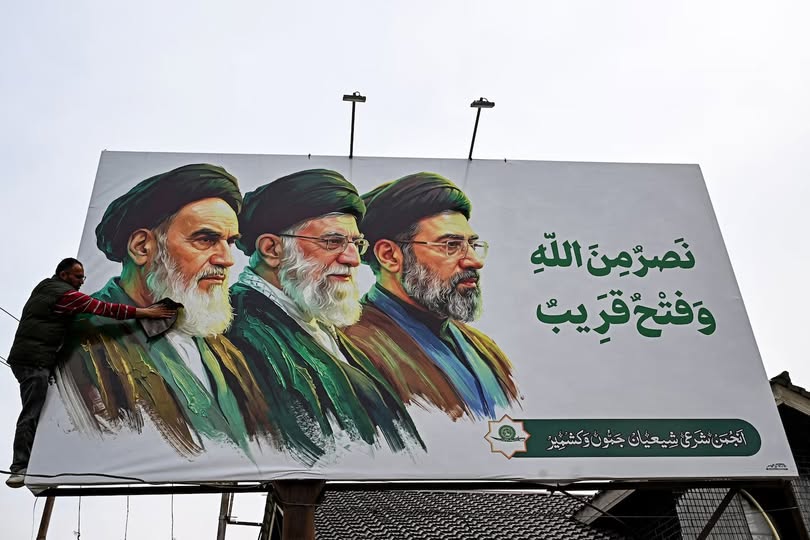
Ho visto la mia parte di dittature crollare dopo la decapitazione. L’ho visto ad Haiti, dove ho iniziato la mia carriera di corrispondente estero seguendo la caduta del “presidente a vita” Jean-Claude “Baby Doc” Duvalier nel 1986; il Paese cadde in una violenta anarchia che persiste ancora oggi.
All’inizio degli anni ’90 ho assistito al caos lasciato in Somalia dopo la caduta del dittatore Mohamed Siad Barre. Lo Zaire, oggi Repubblica Democratica del Congo, è ancora uno Stato parzialmente fallito anni dopo la fuga di Mobutu Sese Seko.
Quando quei regimi dittatoriali sono crollati, è stato perché il dittatore aveva svuotato tutti i normali organi dello Stato. Poiché il potere era concentrato nelle mani di un solo uomo, tutte le altre istituzioni si sono semplicemente atrofizzate.
Ma il più delle volte i regimi autoritari sono profondamente istituzionalizzati. Possono governare le loro popolazioni con spietata efficienza perché sono radicati in ogni provincia, città e villaggio. Possono sopravvivere alla destituzione del leader perché il regime è decentralizzato, costruito per durare e sostenuto da una vasta élite il cui potere e la cui ricchezza dipendono dalla sopravvivenza del sistema.
Si pensi alla Cina. Il presidente e segretario generale del Partito Comunista, Xi Jinping, ha accumulato più potere di qualsiasi altro leader cinese dai tempi di Mao Zedong. Ma il Partito Comunista Cinese conta circa 100 milioni di membri ed è profondamente radicato in ogni villaggio, aula scolastica e fabbrica.
La Cina ha avuto la sua dose di turbolenze al vertice; mi trovavo a Pechino nel 2012 quando il carismatico capo del partito di Chongqing, Bo Xilai, fu destituito e successivamente incarcerato, in parte perché sospettato di complottare per far deragliare l’ascesa di Xi. I social media cinesi erano pieni di voci incontrollate su tentativi di colpo di Stato con carri armati nelle strade.
Nonostante il tumulto di quell’episodio relativamente recente, esso mette in luce il paradosso degli Stati autoritari. Se Bo avesse avuto la meglio su Xi, il sistema si sarebbe molto probabilmente ricostituito attorno al nuovo leader. La posta in gioco è semplicemente troppo alta perché l’intero sistema crolli a causa di una lotta per la leadership. Se Xi venisse rimosso domani, il Partito Comunista in Cina andrebbe avanti.
Un errore che gli osservatori commettono spesso — e mi annovero tra coloro che lo hanno commesso in passato — è quello di personalizzare i regimi e semplificare eccessivamente questioni geopolitiche complesse. Se solo questo o quel leader venisse rimosso, il Paese si trasformerebbe. Purtroppo, non è così che funzionano le cose.
Nel 2011 vivevo a Pechino quando il leader nordcoreano, Kim Jong II, morì inaspettatamente. Ho intervistato vari analisti cinesi e occidentali che erano ottimisti sul fatto che la morte di Kim avrebbe portato a riforme e alla modernizzazione di quel Paese notoriamente chiuso.
Molti ritenevano che il figlio ed erede di Kim, Kim Jong-un, fosse troppo giovane e inesperto per tenere le redini del potere a lungo. Altri dicevano che il giovane Kim aveva studiato in Svizzera, il che probabilmente lo aveva reso più aperto e meno dogmatico.
Il mio articolo sul Washington Post era intitolato: “Con la morte del vecchio Kim, alcuni vedono una finestra di opportunità per il cambiamento in Corea del Nord”. Che il giovane Kim sia stato trasformato dal sistema che ha ereditato o che abbia ricevuto tutta la formazione necessaria ai piedi di suo padre, la Corea del Nord è rimasta sostanzialmente la stessa: uno Stato totalitario ereditario con un culto della personalità pervasivo, vasti campi di prigionia politici e un controllo estremo delle informazioni — e armi nucleari.
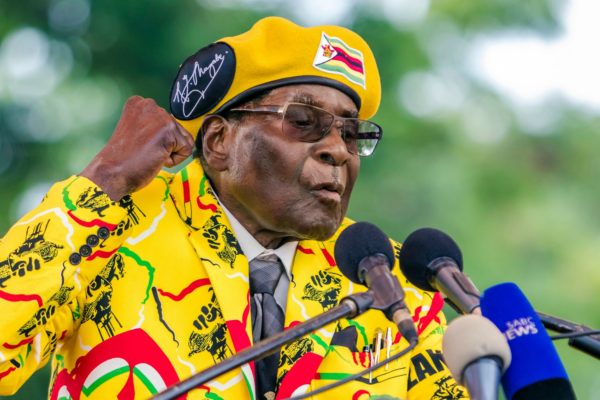
Un altro regime che pensavo dipendesse esclusivamente da un solo uomo era la dittatura trentennale di Robert Mugabe in Zimbabwe. Sotto Mugabe, un tempo acclamato combattente per la libertà, lo Zimbabwe era ormai in rovina economica negli anni 2000. Nel 2017, all’età di 93 anni, il fragile Mugabe è stato arrestato dai militari e costretto a dimettersi.
Gli zimbabwani erano euforici. Lo ero anch’io, da lontano. Ma più di otto anni dopo, lo Zimbabwe è ancora nello stesso caos sotto un nuovo dittatore “Big Man”, Emmerson Mnangagwa, ex capo dei servizi segreti di Mugabe e noto come “il Coccodrillo”. Il nuovo presidente aveva promesso un cambiamento. Ma a 83 anni è ancora al comando, e il sistema repressivo rimane praticamente intatto.
Israele ricorre da tempo alla strategia della “decapitazione” per eliminare i propri nemici. Uno di questi era lo sceicco Ahmed Yassin, fondatore e leader spirituale di Hamas a Gaza, ucciso nel 2004 da un attacco missilistico israeliano. I funzionari israeliani si vantavano che l’assassinio avrebbe ostacolato la capacità di Hamas di compiere futuri attacchi terroristici.
Avevo intervistato Yassin nel suo ufficio a Gaza City quattro anni prima. Rimasi sbalordito nell’incontrare un tetraplegico malaticcio su una sedia a rotelle, la cui voce era così flebile che riuscivo a malapena a registrarla sul mio registratore. Quella figura fragile che avevo incontrato non poteva certo rappresentare l’intera essenza di Hamas. E, come previsto, Hamas non solo continuò a esistere, ma divenne ancora più feroce ed estremista sotto la nuova leadership.
La lezione da trarne è che la destituzione dei regimi autoritari profondamente istituzionalizzati spesso non crea un vuoto. Può scatenare una lotta di potere. Ma alimenta anche la vendetta.
Secondo quanto riferito, il presidente Donald Trump si è detto sorpreso che l’Iran abbia risposto all’uccisione del suo leader supremo non con la capitolazione, ma con la rappresaglia. Non avrebbe dovuto esserlo. I nuovi governanti dell’Iran possono essere feriti, paranoici e indeboliti. Ma regimi come quello non svaniscono quando pochi uomini al vertice vengono portati via o fatti saltare in aria. Rimuovere i leader è facile. Smantellare il sistema oppressivo che hanno costruito è molto più difficile.
Keith B. Richburg*
*Keith B. Richburg è diventato membro del comitato editoriale nel 2023. È entrato a far parte di Post Opinions come editorialista di Global Opinions nel 2022. Seguitelo su X@keithrichburg
Photocredit: Washington Post
Vuoi contattare Africa ExPress?
Manda un messaggio WhatsApp con il tuo nome e la tua regione (o Paese) di residenza ai numeri
+39 345 211 73 43 oppure +39 377 090 5761
Ci si può abbonare gratuitamente ad Africa Express sulla piattaforma Telegram al canale https://t.me/africaexpress
e sul canale Whatsapp https://whatsapp.com/channel/0029VagSMO8Id7nLfglk
Removing a tyrant is easy. Changing a regime is hard.
It’s no surprise Iran didn’t collapse. Security states are meant to last beyond any one leader.
One of the most perplexing questions of the Iran war has been why so many people, both in the Trump administration and among the punditry, thought the regime would collapse as soon as its most senior military and political officials were killed.
The answer lies in a common category error: Not all authoritarian states are brittle dictatorships.
I’ve seen my share of dictatorships fall apart after decapitation. I saw it in Haiti, where I began my foreign reporting career covering the fall of “president-for-life” Jean-Claude “Baby Doc” Duvalier in 1986; the country fell into violent anarchy that persists today. In the early 1990s I witnessed the chaos left behind in Somalia following the fall of dictator Mohamed Siad Barre. Zaire, now the Democratic Republic of Congo, is still a partially failed state years after Mobutu Sese Seko was run out.
When those dictatorial regimes collapsed, it’s because the dictator had hollowed out all the normal organs of a state. Because power was concentrated into one man’s hands, all other institutions just atrophied.
But more often than not, authoritarian regimes are deeply institutionalized. They can rule their populations with ruthless efficiency because they are embedded in every province, city and village. They can survive the removal of the leader because the regime is decentralized, built to endure and buttressed by a sprawling elite whose power and wealth depend on the system’s survival.
Consider China. President and Communist Party General Secretary Xi Jinping has amassed more power than any Chinese leader since Mao Zedong. But the Communist Party of China consists of roughly 100 million members, and is deeply rooted in every village, classroom and factory. China has seen its share of leadership turmoil; I was in Beijing in 2012 when the charismatic Chongqing party boss Bo Xilai was sacked and later imprisoned, partly because he was suspected of plotting to derail Xi’s ascendancy. Chinese social media was filled with wild rumors of attempted coups with tanks in the streets.
Despite the turmoil of that relatively recent episode, it illuminates the paradox of authoritarian states. Had Bo won out over Xi, the system would in all likelihood have reconstituted itself around the new leader. There simply is too much at stake for the whole system to collapse over a leadership struggle. If Xi were removed tomorrow, the Communist Party in China would carry on.
A mistake observers often make — and I count myself among past offenders — is to personalize regimes and oversimplify complex geopolitical issues. If only such-and-such leader were removed, the country would be transformed. Unfortunately, it’s not how things work.
In 2011, I was living in Beijing when North Korean leader Kim Jong Il died unexpectedly. I interviewed various Chinese and Western analysts who were optimistic that Kim’s death would lead to reform and modernization of the notoriously closed country. Many opined that Kim’s son and heir, Kim Jong Un, was too young and untested to hold the reins of power for long. Others said the younger Kim had studied in Switzerland, likely to have made him more open, less doctrinaire.
My story in The Washington Post was headlined: “With elder Kim’s death, some see window for change in North Korea.” Whether the young Kim was transformed by the system he inherited or whether he received all the relevant upbringing at his father’s feet, North Korea has largely stayed the same: a hereditary totalitarian state with a pervasive cult of personality, extensive political prison camps and extreme information control — and nuclear weapons.
Another regime I thought was solely reliant on one man was Robert Mugabe’s 37-year dictatorship in Zimbabwe. Under Mugabe, a once-heralded liberation fighter, Zimbabwe was by the 2000s in economic shambles. In 2017, at the age of 93, the frail Mugabe was detained by his military and forced to resign. Zimbabweans were jubilant. So was I, from afar. But more than eight years later, Zimbabwe is much the same mess under a new “Big Man” dictator, Emmerson Mnangagwa, who was Mugabe’s former spy chief known as “the Crocodile.” The new president promised change. But at 83, he’s still in charge, and the repressive system remains very much intact.
Israel has long relied on the decapitation strategy to eliminate its enemies. One was Sheikh Ahmed Yassin, the founder and spiritual leader of Hamas in Gaza, who was killed in a 2004 Israeli missile strike. Israeli officials boasted the assassination would hamper Hamas’s ability to conduct future terrorist attacks. I had interviewed Yassin in his Gaza City office four years earlier. I was stunned to meet a sickly quadriplegic using a wheelchair whose voice was so faint, it could barely be picked up on my tape recorder. The frail figure I met could not possibly have been the sum total of Hamas. And sure enough, Hamas not only continued, but became more vicious and extreme under new leadership.
The lesson is that decapitation of deeply institutionalized authoritarian regimes often doesn’t create a vacuum. It may trigger a power struggle. But it also stokes vengeance.
President Donald Trump has reportedly expressed surprise that Iran responded to the killing of its supreme leader not with capitulation but retaliation. He should not have been. Iran’s new rulers may be wounded, paranoid and diminished. But regimes like that don’t fade away when a few men at the top are carted off or blown away. Removing leaders is easy. Dismantling the oppressive system they built is much harder.
The lesson is that decapitation of deeply institutionalized authoritarian regimes often doesn’t create a vacuum. It may trigger a power struggle. But it also stokes vengeance.
President Donald Trump has reportedly expressed surprise that Iran responded to the killing of its supreme leader not with capitulation but retaliation. He should not have been. Iran’s new rulers may be wounded, paranoid and diminished. But regimes like that don’t fade away when a few men at the top are carted off or blown away. Removing leaders is easy. Dismantling the oppressive system they built is much harder.
Keith B. Richburg*
*Keith B. Richburg became a member of the Editorial Board in 2023. He joined Post Opinions as a Global Opinions columnist in 2022. follow on X@keithrichburg