23.9 C
Nairobi
venerdì, Aprile 10, 2026

La notte infinita del Medio Oriente

Speciale per Africa ExPress Fabrizio Cassinelli 8 aprile 2026 È...
Home Blog Page 459

Sulla graticola il vecchio governo nigeriano: i ministri rischiano di essere incriminati per corruzione

0

Speciale per Africa ExPress
Blessing Akele
Benin City, 12 maggio 2015

Una notizia pubblicata dai giornali nigeriani sta mettendo in forte allarme la classe politica uscente che mal sopporta di aver perso le elezioni e teme di finire davanti ai giudici con l’accusa di corruzione.

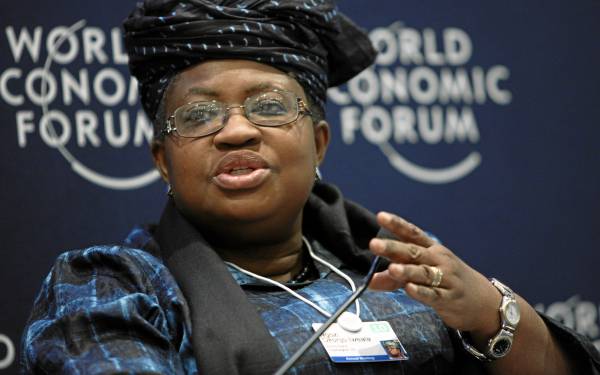
La signora ministro uscente delle Finanze e dell’Economia uscente, Ngozi Okonjo-Iweala, ha informato lei stessa la nazione di avere la pressione sanguina alta. Un escamotage inventato da una parte della classe dirigente sconfitta alle ultime elezioni presidenziali e legislative di cinque settimane fa che in questo modo, ostentando inesistenti malattie “professionali”, cerca di scrollarsi di dosso la responsabilità dello sconquasso economico, di cui è preminentemente responsabile, arrecato alle casse dello Stato

Zero Option for Corruption: Ngozi Okonjo-Iweala

La notizia è stata diffusa durante l’inaugurazione di una clinica riservata a ministri e papaveri dello Stato. Okonjo-Iweala – che ha studiato in America, preso il suo PHD al Massachusetts Institute of Tecnology e ha ricoperto incarichi di alto livello alla World Bank – ha colto l’occasione per far sapere alla nazione che la pressione alle stelle gli è salita per l’impegno profuso al servizio dello Stato, per le notti insonni (spesso e volentieri lei e i suoi collaboratori erano costretti a restare in ufficio fino all’una di mattina) passate per trovare la quadra dei conti, dei provvedimenti da emettere, per i pagamenti da autorizzare. La malattia l’ha colpita assieme ai suoi colleghi, si è lamentata, citando il ministro per gli affari di Stato, Bashr Yaguda, il segretario permanente, Anastasia Daniel-Nwaobia e una settantina di funzionari che insieme a lei, hanno l’ipertensione.

I ministri e i loro funzionari sono fortunati. In Nigeria possono utilizzare strutture sanitarie di  buon livello, mentre la gente comune rischia di morire perché non ha i soldi per le cure, nemmeno nelle cliniche pubbliche, comunque quasi fatiscenti.

Grazie allo sbandierata “abnegazione totale” e all’impegno profuso nella gestione del dicastero più importante e delicato di tutti i governi, ora la signora Ngozi Okonjo-Iweala, spera di farla franca.   Più che altro, invece, lei e i suoi colleghi hanno dato prova della loro bravura nella finanza creativa che ha danneggiato l’interesse nazionale.

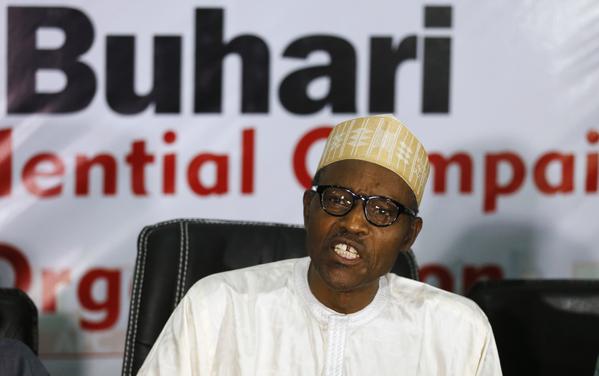
Buhari

Infatti, alcuni commentatori e opinionisti ritengono che l’inaugurazione della clinica del ministero dell’Economia sia stata solo uno specchietto per le allodole: la signora Ngozi Okonjo-Iweala ha bisogno di giustificare certe spese pazze ed allegre. Comunque per l’opinione pubblica le dichiarazioni del ministro si possono descrivere con una parola: “rubbish”, cioè spazzatura.

Come abbiamo già avuto occasione di spiegare tutti i papaveri del vecchio governo, dal presidente uscente Goodluck Jonathan in giù e soprattutto, i responsabili dei dicasteri dell’economia/finanze, del petrolio e dell’agricoltura, temono di essere indagati dalla classe politica che ha vinto le elezioni di fine marzo. Da candidati i nuovi arrivati avevano fatto una dura campagna anti-corruzione e una volta eletti hanno annunciato di voler perseguire drasticamente tutti i colpevoli dello stato penoso dell’economia nazionale.

Dove sono finiti i miliardi di dollari USA, apparentemente scomparsi nel nulla? Una volta individuati, i responsabili verranno adeguatamente perseguiti? Fra tre settimane, quando il nuovo presidente Muhammadu Buhari si insedierà ufficialmente, inizierà una nuova pagina per la Nigeria e dovrà comparire qualche risposta a questi quesiti.

D’altronde, si è visto che le ragazze Chibok sono state ritrovate, tra velate ammissioni, smentite e incertezze, sapientemente recitate dal ministero della Difesa e dall’intelligence interna. E non solo: anche il gruppo terrorista Boko Haram, secondo gli ultimi rapporti, pare abbia perso terreno e forza. E’ stato fiaccato da una serie di azioni militari e non, di nuovo sapientemente, messe in atto dal governo federale.

Tra l’altro, per sconfiggere i terroristi, il governo federale ha reso la benzina (in Nigeria il carburante è uno strumento di potere sociale e politico infallibile), merce rara, in modo tale da impedire ai sanguinari di avere disponibilità di carburante per le loro scorrerie in camion e suv.

La misura, comunque si è dimostrata a doppio taglio: privando tutti i cittadini del carburante il mercato nero in quest’ultima settimana ha fatto buonissimi affari. Una popolazione già economicamente stremata, ha ulteriormente subito lo sfruttamento dei “petroleum marketers” .La penuria di carburante quindi, come si poteva immaginare, non ha colpito soltanto Boko Haram e i suoi terroristi.

I nigeriani si aspettano che, tra 3 settimane, cioè subito dopo l’insediamento del governo di Buhari, almeno la benzina torni ad essere un bene comune.

Blessing Akele
blessing.akele@yahoo.com

twitter @BlessingAkele
#BringBackOursGirls 

Nella foto in alto la signora Ngozi Okonjo-Iweala, in basso il nuovo presidente Muhammadu Buhari

Boko Haram all’attacco di una scuola nel nord della Nigeria

0

Speciale per Africa ExPress
Cornelia I. Toelgyes
Quartu Sant’Elena, 9 maggio 2015

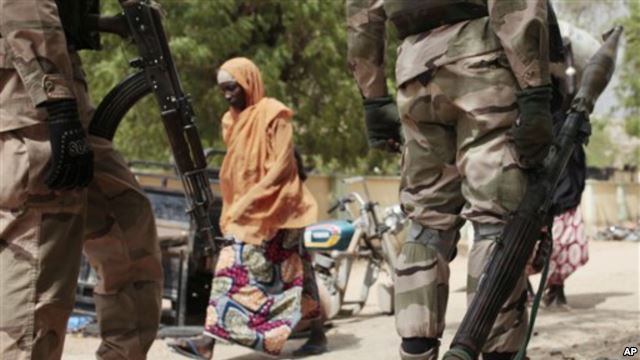
Due militanti sospettati di appartenere alla setta islamica Boko Haram hanno attaccato ieri mattina alle otto una scuola superiore a Potiskum nello Stato di Yobe, nel nord-est della Nigeria. Testimoni oculari hanno riferito che i vigilantes della scuola, armati solamente di manganelli, sarebbero fuggiti a gambe levate.

Almeno sei studenti sono stati feriti. Non è stato reso noto quanti di loro colpiti da proiettili e quanti si siano lesi saltando dalle finestre, perché presi dal panico.

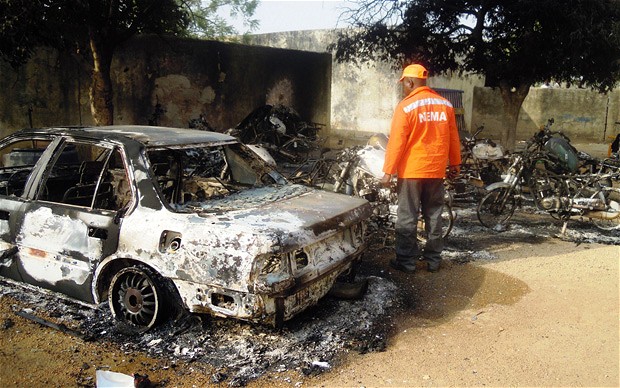
auto carbonizzata

Uno dei due attentatori era un kamikaze. Si è fatto esplodere nell’area dove sono parcheggiate le automobili, ma fortunatamente non ha ferito nessuno. L’uomo armato, invece, è stato catturato e malmenato dalla folla inferocita. Ora è in stato di arresto, come hanno dichiarato fonti della polizia.

Il gruppo terrorista Boko Haram ha subito molte perdite nelle ultime settimane, grazie ad operazioni congiunte delle forze armate di Nigeria, Camerun, Ciad e Niger.

Nei giorni scorsi l’esercito nigeriano ha liberato centinaia di donne e bambini nella Foresta Sambisa e, come hanno dichiarato fonti militari nigeriane, molti terroristi sono stati uccisi, altri sono scappati. Nel tentativo di riorganizzarsi, i terribili terroristi potrebbero cercare di spargere terrore con attacchi isolati come quello di oggi.Miliziano con RPG

Non solo le truppe regolari sono sulle tracce dei Boko Haram, anche gruppi di vigilantes danno loro la caccia. Volontari di uno di questi g hanno sorpreso una quarantina di loro proprio mercoledì mattina nella foresta Hiang-Kukuriyi (la parte a sud della foresta Sambisa), uccidendo ventinove militanti. “Li abbiamo identificati facilmente  – ha raccontato Madu Plungwa, comandante dei vigilantes, ai reporter di The Guardian -. Diverse Toyota Hilux e motociclette erano parcheggiate in un allevamento ittico della zona. Li abbiamo attaccati mentre loro pranzavano a base di pesce arrosto. Chi non è stato ucciso, è scappato con le macchine, anche con ferite profonde”.

Cornelia I. Toelgyes
corneliacit@hotmail.it
@cotoelgyes

Ritrovato al largo delle coste del Madagascar il tesoro di Capitan Kidd

0

Africa ExPress
Antananarivo, 8 maggio 2015

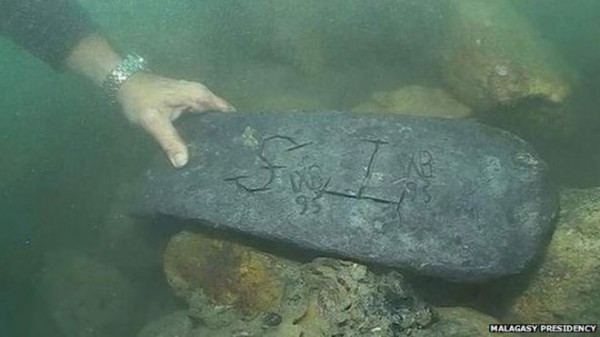
Alcuni esploratori subacquei sostengono  di aver ritrovato nelle acque territoriali del Madagascar il tesoro di Capitan Kidd, una barra d’argento dal peso di cinquanta chilogrammi. Il reperto di inestimabile valore si trova ora sull’isola di Santa Maria, a largo della costa nordorientale dello Stato insulare, guardato a vista da militari dell’esercito.

a083263cBarra d'argento

Durante una breve cerimonia tenutasi a Santa Maria in presenza di Hery Rajaonarimampianina, presidente del Madagascar e di diplomatici degli USA e della Gran Bretagna, il tesoro, che si presume sia appartenuto al famoso Capitan Kidd, è stato ufficialmente consegnato alla ex-colonia francese.

L’esploratore subacqueo americano Barry Clifford e il suo team sono convinti che la barra d’argento del diciassettesimo secolo, di origini boliviane, provenga dal relitto della nave del famigerato pirata, ma saranno necessari altri accertamenti per provare la sua autenticità.

Nel 1984 Clifford scoprì il relitto della Whydah, di costruzione britannica, affondata nel 1717 a largo delle Coste USA.

La leggenda narra che William Kidd, nato attorno al 1645 in Scozia, fu incaricato dalla corona di contrastare la pirateria e di catturare le navi nemiche francesi. Nel 1698 Kidd avrebbe saccheggiato la Quedagh Merchant, una nave armena, apparentemente battente bandiera francese.  Era carica di stoffe rare, oro, argento e altri preziosi, che molto probabilmente appartenevano alla britannica Compagnia delle Indie occidentali.  E inoltre il capitano era di nazionalità inglese e accusò Kidd.

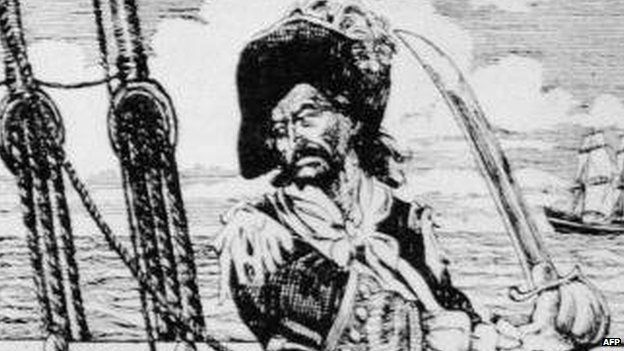
Capitan Kidd

Kidd fu impiccato nel 1701, perché accusato non solo di pirateria, ma anche dell’omicidio di un membro del suo equipaggio, fatto che risalirebbe al 1689.

Durante la sua esecuzione la corda attorno al collo si ruppe. Fu sostituita da un’altra, che si spezzò ugualmente. Solo al terzo tentativo il boia riuscì a giustiziarlo.  Il corpo di Kidd fu poi immerso nel catrame e appeso sopra il Tamigi, come monito soprattutto verso che intendeva intraprendere la “carriera” di pirata.

Secondo alcuni suoi biografi, Kidd avrebbe nascosto la maggior parte del bottino raccolto in anni di attività, motivo per cui sono stati in molti ad andare alla ricerca dei suoi tesori. La sua storia, che è infarcita di leggende, ha ispirato anche Robert Louis Stevenson quando scrisse: “L’Isola del tesoro”.

Africa ExPress


The repression in Eritrea and the lies of the president Isaias Afeworky

1

This is a comment on Voice of America – Eritrea –
interview of Ms Bronwyn Bruton
Deputy Director Africa Centre
(Atlantic Council – Washington)

On 27 April 2015 Voice of America broadcast an interview with Ms Bronwyn Bruton. Ms Bruton is the Deputy Director of the Africa Centre at the Atlantic Council a think tank. Her area of expertise is Al Shabaab, Al-Qaeda in the Maghreb, Piracy, and Violent Extremism focusing in the following countries: Kenya, Somalia, and Sudan.

[embedplusvideo height=”361″ width=”590″ editlink=”http://bit.ly/1byA08w” standard=”http://www.youtube.com/v/824tsZXWgGE?fs=1&vq=hd720″ vars=”ytid=824tsZXWgGE&width=590&height=361&start=&stop=&rs=w&hd=1&autoplay=0&react=1&chapters=&notes=” id=”ep2299″ /]

The interview follows a recent visit to Eritrea by Ms Bronwyn Bruton where she had the opportunity to meet and interview President Isaias Afeworki over a period of at least 3 hours . Earlier this year the BBC was also able to travel to Eritrea and produced a documentary – Inside Secretive Eritrea. http://www.bbc.com/news/world-africa-31851587
gulagThe message being conveyed by Ms Bruton is that USA should re-engage with the Government of President Isaias because given the current situation in the area , specifically the escalating conflict in Yemen, re engagement is in the best interest of the USA. To achieve this goal the situation and the concerns of the Eritrean people under the regime of President Isaias are reduced to an issue of economics and availability of jobs following of the Full Belly principle of Governance ignoring that in fact the policies of the Eritrean Government have in fact deliberately destroyed the private sector in Eritrea and specifically the Eritrean private sector .

Ms Bruton reports that President Isaias has already taken steps to address issues of National Service and Governance by:
(a) demobilising 100,000 Eritreans;
(b) taking steps to start the drafting process for a new constitution;
(c) releasing 6 journalist early in 2015

We have a Constitution, at time it was drafted the process was participatory. The existing Eritrean Constitution does aspired to implement the principles of Human Rights. The Constitution was ratified in 1997 and since then the Government of Eritrea has refused to implement it. It is clear that at some point the people of Eritrea, based on their experience with the current regime, will want to revise and amend the Constitution. Because of the experience of the last 23 years, the process of amending the Constitution cannot be led by the very people who have, deliberately sabotaged it and repeatedly told us that “the Constitution is dead” and “ Forget about democratic elections”.
adi-kwala-1-mano_resize-2-14

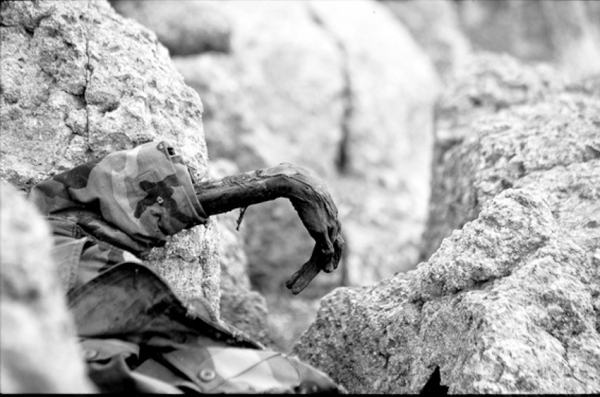
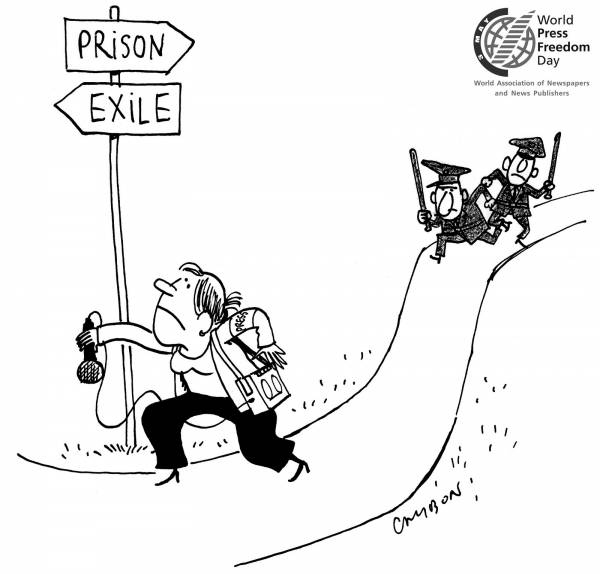
Twenty years ago, the release of 6 journalists, might have been a positive step. Today it is not. Today it is simply another game of mirrors and smoke screen that is being played on the Eritrean people by the Government. It does not provide the answers that we want. To date there is no willingness from the Eritrean Government to tell us where all the other people it has arrested are. Nor is there a willingness of the Eritrean Government to apply the principles of Human Rights to the political prisoners it has arrested. For it to be a good start at the very least the following should happened: (a) Families should be informed as to the status of the prisoners; (b) ICRC or similar international organisation should be given access to the prisoners to assess their situation; (c) all political prisoners should be released. NO Ms Bruton 6 Journalists released early in 2015 is a drop in the ocean and NO it is not a good start far from it.

The statement that 100,000 Eritreans have been quietly demobilised does not match the reality on the ground. The reality is that since mid-2014, the Government has recalled to the national service those fighters it had demobilised on medical ground and has extended the requirement to do national service up to 65 years of age.

The response to the new call for mobilisation has been so poor as to be virtually zero. This is big blow to the pride of the President on many levels not the least of which the fact that we are now talking about his peers refusing to report for national service. Typically the Government has reacted to the dissent with threats and in the areas where there has been the deepest dissent we are now seeing un precedent demolishing of houses reminiscent of occupied Palestine .

Ms Bruton suggests that there is a link between the supposed demobilisation and the recent threefold increase in the number of Eritrean Refugees. This suggestion is insensitive to the plight of the Eritrean people and ignores the fact that the threefold increase is in the number of unaccompanied minors ( i.e. not people of military age ). The continued affirmation that Eritreans are leaving their country primarily for economic reasons ignores the mounting evidence of denial of human rights, abuses, torture and disappearances practices by the Eritrean Government on those who dare to voice dissent and in particular on the youth.

Contrary to what president Isaias Afeworki may think there is a need for Reform in Eritrea. The very fact that the President is not able to admit that he has done something wrong is a problem as it means that he is not able to make any changes and what we as Eritreans can expect from him is more of the same .
demo con cartello 3

On the issue of border dispute with Ethiopia it is important to note that in accordance with the decision of the Border Commission though Eritrea has been allocated the symbolic town of Bademe it has actually lost control of territories in the areas of Alitena and Tsorona. Though the Eritrean people know of the loss of the territories this information has not been communicated officially. Also to date there has been no proper accounting to the Eritrean people of how Eritrea plummeted into war with Ethiopia and specifically how it was that during the third round of fighting many of our soldiers ran out of bullets, were ordered to abandon Assab (something they refused to do) and Ethiopian forces managed to be in control of large parts of the country. These were questions that the G15 specifically wanted to address and to this date are not addressed.

It is true that the International Community made a mistake in 2002 by not putting greater pressure on Ethiopia to fully implement the decision of the Boundary Commission. Within the context of Eritrea, this contributed to the further entrenching of an Eritrean narrative of Eritrea alone and a victim of the International Community and specifically of the USA. It would however be completely naïve to believe that this was the only reason for the deterioration of relationships between the International Community and Eritrea.

It takes two to tango and irrespective of who is right and who is wrong it takes dialogue and diplomacy to resolve conflict. In the context of the border decision, the official position of the Eritrean Government has been that there is nothing to discuss. (International Crisis Group Report No 68, 24 September 2003 pg. 8).

During an interview with Dan Connell (August 2001) Mr Petros Solomon ( Former Minister of Foreign Affairs ) explained that an internal assessments carried out by the Eritrean Ministry of Foreign Affairs, of the socio –political landscape around Eritrea clearly indicated that Eritrea could not afford to be involved in conflicts with Ethiopia, Yemen, and Djibouti. To date Eritrea has been involved in disputes with all the countries named. During the interview Mr Petros Solomon voiced the opinion that a key problem for Eritrea was the fact that there were no institutions strong enough to contain president Isaias (Dan Connell – Conversations with Eritrean Political Prisoners – Trenton 2005) .

The shrinking political space as evidenced by the crackdown in 2001, the deteriorating human right situation has made it impossible to engage in any internal discussion as to how best to negotiate with Ethiopia and engage with the International Community. The result is that Eritrea has had only a hard-line approach to diplomacy that is not able to take into account the wider picture of interests beyond the self.
gulag

After September 11, 2001 there was a window of opportunity for the thawing of Eritrea, USA relationship. Eritrea (like Ethiopia ) joined the coalition in the build-up of the war against Iraq however even then the USA had concerns about the volatility of the President and the Human Rights issues within Eritrea . The issue was made worse by the arrest of Eritreans working for the USA embassy Ali Alamin and Kiflom Gebre Michael both working in the political and economic affairs office at the embassy. These men have not been heard from since. http://news.bbc.co.uk/2/hi/africa/1600689.stm

The hard line approach to foreign policy and international relationships continued to be in evidence in 2005 when the Government of Eritrea , in attempt to have its voice heard over the issue of Bademe, started to arrest more Eritreans staff working for the USA embassy (Mr Fitwi Gezae – webmaster at the USA embassy and Mr Biniam Girmay – Facility Management), and ordering the closure of USAID, as well impounding approximately 120 vehicles from both the UN and NGO’s.

The fact that the USA Government continues to ask about their Eritrean staff is not trivial and it is not pride it is an act of Solidarity that should be supported and that should continue. http://news.bbc.co.uk/2/hi/africa/4186728.stm ; http://mg.co.za/article/2005-08-31-eritrea-says-usaid-banning-is-irreversible; http://www.sudantribune.com/spip.php?article11635.

In addition it is important to remember that the relationship between Eritrea and USA further deteriorated as a result of Eritrean Government treatment of Ambassador Ronald K Mc Mullen . During the whole of his term in Eritrea (2007 to 2010), Ambassador Mc Mullen was never able to present his credentials but he was never actually refused as an Ambassador. The result was that he was not able to fulfil his role as Ambassador. Which country would allow its representative to be treated in such a way?
PressFreedom vignetta

Following the experience of the USA government with the deployment of Ambassador Ronald McMullen the inclination of the USA government was to close the whole mission in Eritrea. However they were persuaded to maintain a presence, specifically because of the strategic geo – political position of Eritrea accordingly the USA has maintained presence. The current USA Charge d’ affair is Ms Sue Bremner. This should be sufficient presence and engagement in Eritrea until such time as there is Reform in Eritrea.

Since 2001, the Eritrean Government has disengaged from a number of important regional forums namely IGAD, African Union, COMESA to name a few. Though the Eritrean Government had legitimate grievances against the forums by disengaging it has ensured it isolation and the continued misery and isolation of the Eritrean people. Though Eritrea has returned to both IGAD and the African Union, their presence in these for a fragile.

As both Ms Bruton and Mr Peter Heinlein mentioned during the interview the Ethiopian government is in fact more adept at navigating the waters of international diplomacy and thus is able to create a space in the international arena for its people. Eritrea should learn from this.
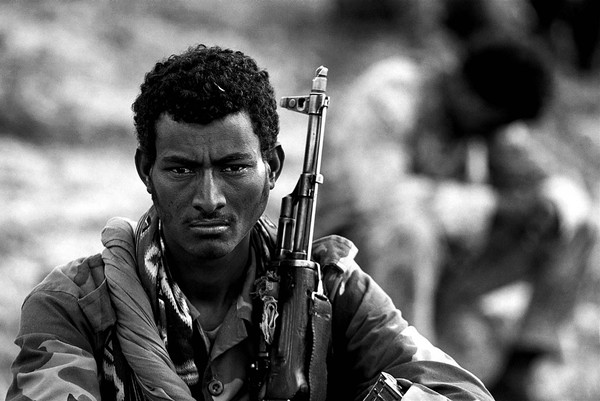
Eritrean soldiers in Adi-Quala, Eritrea.

In 2009 with UN resolution No 1907, the UN imposed sanctions on Eritrea for aiding Al Shabaab. The resolution was tabled by Uganda and Burkina Faso and was adopted with 13 votes, with Libya voting against it and China abstaining. Resolution 1907 put in place an arms embargo and travel bans on some of the Eritrean leaders. The resolution also deals with the conflict in Djibouti requiring the Eritrean Government to withdraw from Djibouti territory and to account for Prisoners of War.

By December 2011 the UN Security Council issue Resolution No 2023. This resolution targeted the ore mining companies essentially requiring them to ensure that funds from the sector are not used to destabilize the area. This resolution was adopted by 13 votes – China abstaining.

Neither of the two resolutions imposing sanctions on Eritrea targets the general population. The economic difficulties of the Eritrean population are not due to the sanctions, they are due to the economic policies of the Eritrean Government that have nationalised human resources and sought to control all sectors destroying the Eritrean private sector and basically distorting international investment. In fact the general population in Eritrea has been suffering and is suffering from an internal government driven embargo on the people.

Within the current context of Eritrea of repression of the people by the Government and specifically the policy of using cheap national labour, it is fair that any international investor implement due diligence steps to make sure that their intervention does not entrench the situations. In the case of the mining companies from Australia and Canada this complimentary to already existing national ( i.e. Australian and Canadian ) legislation that requires them to apply Canadian and Australian standards on matter of environment and human resources.

Though, as Ms Bruton mentions in her interview , that Eritrea is not a driver of the Somalia conflict, she fails to mention that Eritrea has been and has the capacity to continue to be act as a spoiler in the Horn of Africa. It is interesting to note that according to Itrace:

  1. The known suppliers of weapons to the State of Eritrea are: Peoples Republic of Bulgaria 46.2%; Peoples Republic of China 38.5%; Romania 7.70%; Russia Federation 7.7
  2. 27.3 % of weapons in the possession of the State of Eritrea are diverted to third parties; and
  3. 92.3 % of the diversion of weapons from Eritrea is done by the State itself

https://itrace.conflictarm.com/

On the issue of the sanctions that have been imposed on Eritrea, the real question is why sanctions were not imposed on the Government of Eritrea for Human Right abuses? Accordingly on this issues there is presently a wide engagement of Eritrean Human Right organisations engaging with the UN Human Right Rapporteur.miliano con mitra 2
Resolution 2023 specifically condemns the use of the 2 per cent tax as a tool of destabilisation in the region. http://www.bbc.com/news/world-africa-16043561 The 2 per cent tax is not the only tax being charged by the Eritrean Government on Eritreans living abroad. Taxes get added on an ad hoc basis and taxes can be charged retroactively on both the communities living abroad as well as those living in Eritrea.

It is now more than twenty years since the formation of the modern State of Eritrea and in this time the Eritrean Government has made no effort to make formal arrangements for taxation by entering into reciprocal tax agreements or similar arrangements with major countries of the Eritrean Diaspora. Such arrangement would make the charging and payment of taxes transparent and accountable and would offer citizens protection. Instead the Eritrean Government has continued to operate in a semi-clandestine manner.

The present arrangement of collecting taxes does not have any regard as to source of income of the individuals – therefore Eritreans receiving social benefits from their host countries are paying 2 per cent . Failure of family members to pay 2 per cent tax impacts on Eritreans at home in a number of ways but specifically by having their legitimate activities blocked or suspended. I am sure that in the USA if you do not pay taxes, unless there is evidence of collusion, your family is not penalized.
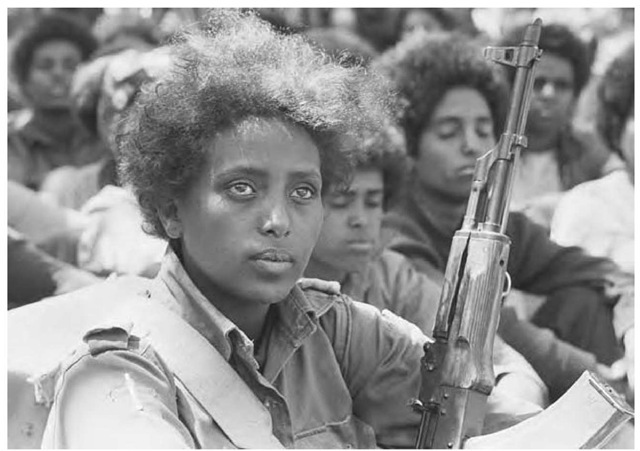
miliziana con mitra

The 2 per cent and other taxes paid by the diaspora are paid in foreign currency not to the tax office but to the Embassy and there is no evidence that the funds are ever repatriated. It is not possible to pay the 2 per cent  tax in Eritrea in Nackfa. Under the current arrangement it is likely that funds are diverted for purpose other than the purpose for which they were collected. A view that is encouraged by the continuation of the guerrilla style of administration and the fact that there is no accounting for the tax collected by the Eritrean Government.

Finally to engage with the Government of Eritrea in the absence of any real Reforms is in fact to act to the detriment of the Eritrean people and possibly the whole region. While it is important to maintain presence in Eritrea, time would be better spent trying to understand and engage with the Eritrean leadership that is emerging from the refugee camps, and the sinking boats and that s is presently engaging with the UN and other international bodies on Eritrean issues.

Makeda Saba
makedasaba@ymail.com

 

Burundi, il terzo mandato a Nkurunziza scatena la piazza e le proteste internazionali

1

Speciale per Africa ExPress
Massimo A. Alberizzi
6 maggio 2015

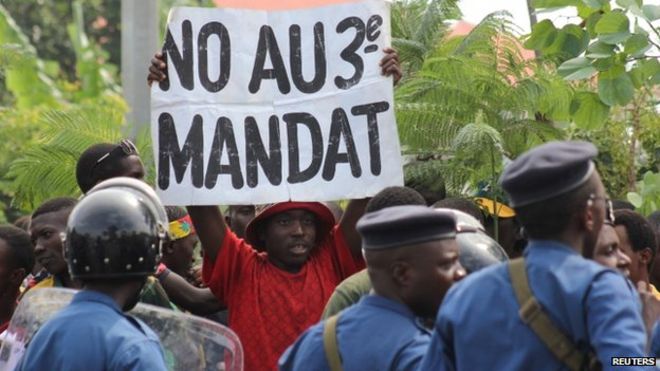
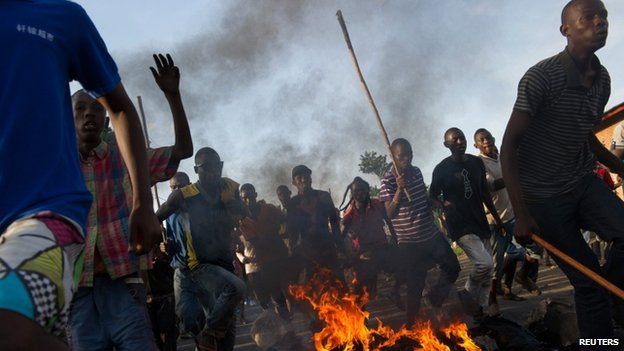
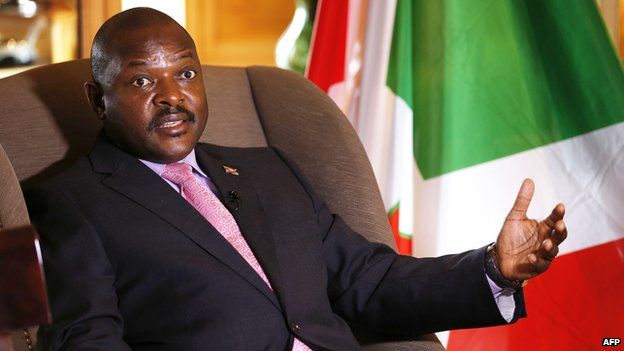
Il Burundi piccolo Paese incastonato nel cuore dell’Africa – ex colonia tedesca prima e protettorato belga poi – è nel caos. Il presidente ed ex capo dei guerriglieri, Pierre Nkurunziza, ha deciso di candidarsi alle elezioni del 26 giugno per un terzo mandato, violando la Costituzione che ne prevede due. La piazza si è scatenata con dimostrazioni e proteste. La polizia prima ha contenuto con candelotti lacrimogeni e proiettili di gomma, poi con pallottole vere. Ieri la Corte suprema del Paese ha avallato la decisione del presidente e del suo partito. Altre manifestazioni, altre violenze (si parla di 13 morti) e un’ondata di profughi, oltre 30 mila scappati in Ruanda e in Congo.

No al 3°mandato

Diplomatici a Bujumbura, la capitale, sentiti al telefono hanno riferito ad Africa ExPress che il clima è tesissimo. “La Corte Costituzionale – hanno spiegato – ha giudicato legale la richiesta di Nkurunziza, perché i giudici sono stati intimiditi. Il vicepresidente della corte, Sylvere Nimpagaritse, è fuggito dal Paese e ha denunciato di aver ricevuto minacce di morte se non avesse cambiato parere sulla costituzionalità del progetto presidenziale, cui invece era contrario”.

Lunedì scorso il segretario di Stato americano John Kerry ha invitato Nkurunziza a ritirarsi: “Siamo assai preoccupati dalla sua decisione di ricandidarsie temiamo il peggio”, ha ammonito. Critici anche le Nazioni Unte, l’Unione Africana e il vicino Ruanda, dive i tutsi sono al potere.

scontri

La composizione etnica del Burundi è simile quella del Ruanda. Gli hutu sono in maggioranza e i tutsi in minoranza. Per anni i tutsi hanno governato a Bujumbura e i primi organizzato guerre e guerriglie, l’ultima guidata da Pierre Nkurunziza. Infine nel 2005 la pace è stata raggiunta con un accordo tra le etnie che garantiva rappresentanze certe e partecipazione al potere.

Pierre Nkurunziza 2

Un accordo che sembra non reggere più. Dopo essere stato eletto dal parlamento nel 2005, Nkurunziza si è candidato alle elezioni nel 2010. Le ha vinte anche perché l’opposizione ha boicottato il voto. Poi l’anno scorso Nkurunziza aveva cercato di modificare la Costituzione che limita i poteri del suo partito e garantisce quelli della minoranza. Non c’è riuscito. Ora la decisione di restare inchiodato al più alto scranno del Paese rischia di far ripiombare il Burundi nella guerra civile.

Massimo A. Alberizzi
massimo.alberizzi@gmail.com
twitter @malberizzi

La Guinea Equatoriale in amore con Pechino Congelati i debiti con le imprese italiane

1

Speciale per Africa ExPress
a. s. b.
Roma, 5 maggio 2015

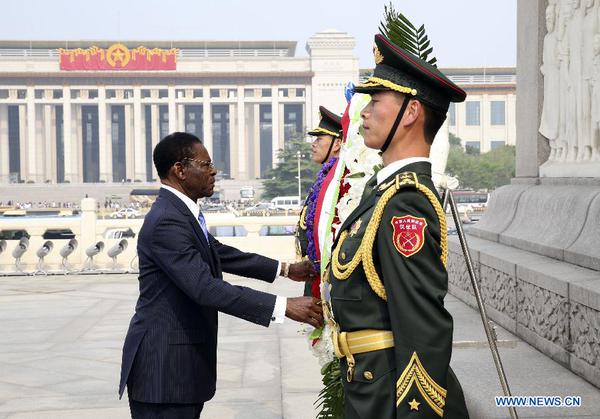
Tra il 27 aprile e il 2 maggio il Presidente della Guinea Equatoriale Teodoro Obiang Nguema Mbasogo è stato in visita diplomatica ufficiale a Pechino, invitato dall’omologo cinese Xi Jinping: è la seconda volta che Obiang si reca in Cina in visita diplomatica (la prima volta fu nel 2006 in occasione del Forum sulla cooperazione Cina-Africa), anche se il presidente equatoguineano è un habitué nel colosso asiatico, che frequenta in visita privata.

Al centro del colloquio tra i due presidenti sono stati gli aiuti che Pechino ha garantito al piccolo Paese nguemista dell’Africa Occidentale, dopo che lo scorso novembre Francisca Obiang, figlia di Teodoro e capo della Camera di Commercio, ha dichiarato ufficialmente l’insolvenza dello Stato nei confronti dei creditori stranieri (imprese, molte italiane, con appalti e crediti dal valore di miliardi di franchi). Il soccorso cinese è in realtà il cavallo di Troia che Pechino vuole introdurre nel ricchissimo Paese subsahariano: già a gennaio il Wall Street Journal scriveva che il crollo del prezzo del petrolio rappresenta un colpo durissimo ai sistemi di governo dell’Africa Occidentale; problemi simili alla Guinea Equatoriale li ha l’Angola di Josè Eduardo dos Santos, che nel 2015 potrebbe scivolare in un periodo di recessione economica per la prima volta negli ultimi 20 anni,  il Gabon di Ali Bongo, il Camerun di Paul Biya: i regimi della regione si trovano privati dei fondi necessari a consolidare la loro presa economica sul paese, garantendosi fedeltà da parte degli alleati politici e sudditanza dalle forze militari.

A pechino

Il 30 aprile Obiang ha aperto il Forum Economico Cino-africano di Dalian, invitando le imprese cinesi a far parte del piano di industrializzazione della Guinea Equatoriale definito “Horizonte 2020”, incentrato sulla creazione di una nuova città, Oyala (o Djibloho). Come per Ceausescu, come per Stalin, per Mao, per Niyazov e per tutti i più grandi dittatori della storia novecentesca, la “new town” rappresenta l’immortalità del potere del padre della Patria.

D’altra parte la Cina sembra essere specializzata, in Africa, nella costruzione di vere e proprie città fantasma: Nova Cidade de Kilamba in Angola è l’esempio principe, nel Continente, della folle magnificenza delle new town africane made in China. Una sorta di neo-colonialismo asiatico permette a Pechino di garantirsi forniture a basso costo di materie prime e risorse energetiche e ai dittatori africani di coltivare il proprio opulento ego in perfetta continuità con gli ultimi decenni: affamando le popolazioni e distruggendo gli ecosistemi.

In questo senso Oyala è la chiusura del cerchio del potere nguemista: Teodoro padre, di etnia Fang nato proprio da quelle parti, riporterà la Capitale nel Continente (dove vive la maggior parte della popolazione equatoguineana), ove le sue spoglie troveranno riposo facendo così ritorno alla terra d’origine. A Oyala, una volta completata (oggi l’accesso è precluso a chiunque non debba lavorare nei cantieri della new town) vivranno tra i 160mila e i 200mila cittadini; fino all’arrivo dei cinesi la costruzione degli edifici era appaltata all’italiana Piccini Group, mentre dei ponti si occupava l’impresa General Works, i cui amministratori Fabio e Filippo Galassi sono oggi agli arresti a Bata (il primo in carcere ed il secondo ai domiciliari), accusati di aver cercato di trasferire fondi all’estero (soldi per ora non trovati). Il fermo si protrae senza accuse formali dal 21 marzo scorso.

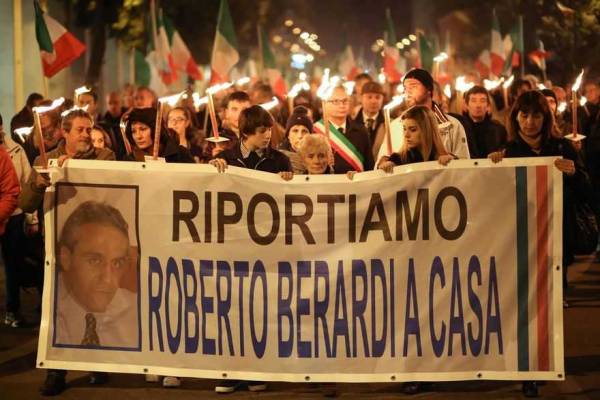
E’ invece quasi terminata la (lunga) detenzione dell’imprenditore Roberto Berardi, in carcere dal gennaio 2013 e oramai prossimo all’estinzione della pena: il prossimo 19 maggio l’imprenditore italiano dovrebbe essere scarcerato e sembra che finalmente il governo italiano e l’Unione Europea abbiano fatto le prime mosse per tutelarne l’incolumità una volta uscito dal carcere, dopo due anni e mezzo di tentativi andati a vuoto.

demo

Berardi, stando a ciò che ha riferito a chi scrive il suo legale Ponciano Mbomio Nvò, ha subito un processo iniquo (penale anziché civile) e violenze, torture e trattamenti inumani e degradanti in carcere: secondo informazioni in possesso di Africa ExPress sia il ministro degli Esteri italiano Paolo Gentiloni sia l’Alto Commissario UE alla politica estera Federica Mogherini, con due lettere alla famiglia, si sono assunti l’impegno formale di “tutelarne l’incolumità” con ogni mezzo possibile una volta uscito di prigione.

Stando a quanto prevede il diritto comunitario, Berardi potrebbe finire, nel peggiore dei casi, sotto la tutela spagnola nell’ambasciata di Madrid a Bata, restando in piedi la questione risarcimento (secondo la sentenza l’imprenditore deve risarcire con 1,4 milioni di euro l’ex-socio africano).

Oggi la III Commissione Esteri della Camera dei Deputati discuterà, a Roma, una mozione firmata dal deputato pentastellato Manlio Di Stefano, redatta grazie al contributo di alcuni attivisti di Latina, e amici di Roberto Berardi, che da tempo si mobilitano per chiedere il rispetto dei diritti dell’imprenditore detenuto nell’inferno di Bata Central: la mozione punta proprio ad un impegno formale del governo per tutelare l’incolumità di Berardi una volta uscito dal carcere.

a.s.b


Bashir rieletto presidente del Sudan mentre aumenta la violenza contro i profughi eritrei

0

Speciale per Africa-ExPress
Cornelia I. Toelgyes
Quartu Sant’Elena 4 maggio 2015

Omar Hassan Al-Bashir, ormai settantunenne, ha “vinto” nuovamente le elezioni presidenziali in Sudan con il 94,5 per cento dei voti, anche se l’affluenza questa volta è stata assai bassa, come ha dichiarato un membro della commissione degli osservatori elettorali dell’Unione Africana, capeggiata dall’ex-presidente nigeriano Olusegun Obasanjo. Infatti, l’opposizione ha boicottato le elezioni, come aveva già fatto nel 2010.

I sudanesi aventi diritto al voto sono tredici milioni, pare che solo il 30-35 per cento si sia recato alle urne.  Ma Mukhtar al-Assam, direttore della commissione elettorale indipendente sudanese ha affermato senza esitazioni che l’affluenza è stata del 46 per cento.

CAMPO 1

Bashir è ricercato dal Tribunale Penale internazionale per crimini di guerra e genocidio. Le indagini sono state sospese (la decisione è fortemente contestata dalle organizzazioni per i diritti civili e umani) ma il mandato di cattura è ancora valido. Dal canto suo la procuratore generale del TPI, Fatou Bensouda, ha criticato l’ONU, perché il Consiglio di Sicurezza, del quale fanno parte  anche Russia e Cina, non ha mai appoggiato l’inchiesta in corso.

Il voto in Sudan è stato fortemente stigmatizzato dai governi occidentali e dalle organizzazioni per i diritti umani. E’ triste dover constatare che un dittatore, accusato di crimini efferati, abbia vinto le “libere e democratiche” elezioni nel suo Paese. Un despota che, alla fine dello scorso anno, ha chiesto ai caschi blu dell’ONU di lasciare il Darfur.

Pochi giorni
prima dell’apertura dei seggi elettorali sono stati arrestati e picchiati brutalmente decine e decine di oppositori, attivisti e studenti. In un comunicato congiunto degli USA, Gran Bretagna e Norvegia hanno scritto: “Il risultato di queste elezioni non può essere ritenuto come credibile espressione del popolo sudanese”. Poco prima del voto Federica Mogherini, commissario agli esteri dell’Unione Europea, aveva fatto sapere: “Il risultato non potrà essere credibile, perché non è legittimato dai cittadini sudanesi”.

bimbi in pozzanghera

Sorge dunque spontanea la domanda: nella situazione attuale il “Processo di Khartoum”, avviato dal governo italiano ha ancora un senso? Anzi c’è da chiedersi se mai lo abbia avuto. Si spera pertanto che la proposta del ministro degli interni, Angelino Alfano, di voler aprire dei campi per profughi in Niger e Sudan, Paesi corrotti fino al midollo e dove i diritti umani sono un raro optional, dopo queste ridicole elezioni e la relativa condanna da parte di molti governi occidentali, venga definitivamente archiviata.

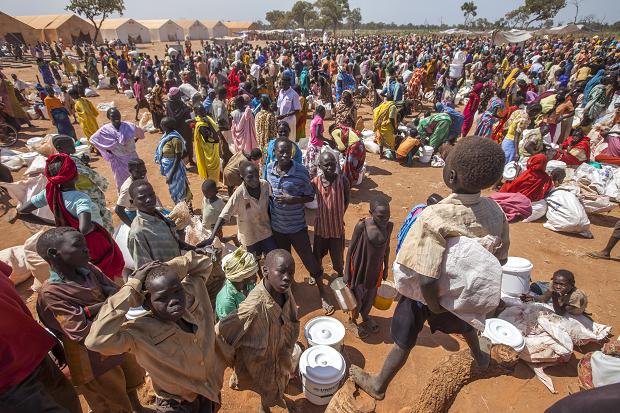
Inoltre, in Sudan, al confine con l’Eritrea, esiste già un campo per profughi, Shagarab, dove vivono più o meno ventinovemila persone, per lo più eritrei. E’ tristemente famoso per la sparizione e il sequestro di molte persone da parte dei rashaida (una tribù che vive a cavallo tra Sudan ed Eritrea, e che si occupa prevalentemente di commercio internazionale compreso il traffico di esseri umani) in collaborazione con le forze dell’ordine sudanesi. In passato molti dei rifugiati rapiti venivano venduti ai beduini nel Sinai

Oggi i sequestri e rapimenti avvengono per lo più nelle vicinanze di Kassala, città nell’est del Sudan, al confine con l’Eritrea.  Sempre più spesso i malcapitati profughi varcano il confine e vengono sequestrati dai rashaida, con l’aiuto di agenti della polizia sudanese corrotti e/o in collaborazione con militari o spie del governo eritreo.

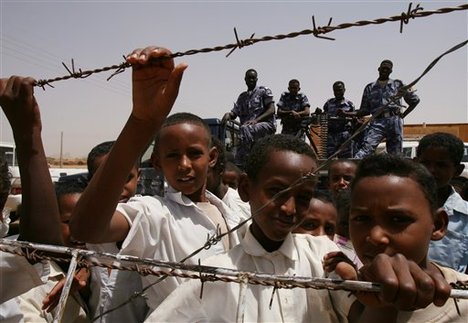
Dallo scorso gennaio numerosi bambini – in tenera età e non ancora adolescenti – lasciano l’Eritrea da soli, diventando profughi “minori non accompagnati”.

Anche loro sono soggetti a rapimenti e torture da parte di barbari trafficanti di uomini. Sequestrano gruppi di rifugiati che, mentre stanno subendo una tortura, sono costretti a chiamare i familiari. Urlano e si lamentano al telefono per costringere i congiunti a pagare un riscatto. Le richieste non sono consistenti come nel Sinai (dove sono arrivati a chiedere fino a 60.000 dollari a persona), perché “la merce umana” a disposizione è tanta. Dunque pro capite ci si accontenta di meno: dai mille ai millecinquecento dollari, più o meno. Ma può comunque capitare che dopo il pagamento di un primo riscatto non si venga liberati, bensì venduti ad un altro gruppo di trafficanti; e così ricomincia la trafila di torture, botte e pagamenti.

L’Eritrea è diventato un Paese invivibile. Spesso scompaiono le persone, non si sa dove, probabilmente nelle luride galere del regime di Isais, che ha militarizzato tutto il Paese, pur avendo solennemente promesso di voler ridurre il servizio militare a soli diciotto mesi. In un comunicato di poche settimane fa, poi ripreso da radio Erena.

refugees-are-seen-during-visit-by-un-high-commissioner-refugees-antonio-guterres-shagarab

il dittatore di Asmara ha annunciato che tutte le donne dai 18 ai 45 anni avrebbero dovuto presentarsi in caserma il 25 aprile, per una nuova tornata di addestramento militare. Stessa cosa alcuni mesi fa per gli uomini, ma loro fino a 65 anni. Poche donne si sono presentate all’appello quel giorno, dunque è probabile che venga indetta un’altra chiamata, ma nel frattempo si temono retate, rastrellamenti a tappeto. Qualsiasi dimostrazione o manifestazione pubblica è vietata. L’insicurezza del regime è tangibile.

Ritornando al dramma dei migranti, una volta giunto in Sudan il profugo eritreo deve trovare un rifugio sicuro presso amici o parenti prima di proseguire il suo viaggio verso la tanto sospirata e sognata costa libica per potersi poi imbarcare verso l’Occidente. Tanti sono ancora i pericoli in agguato, comprese le razzie delle forze dell’ordine a Khartoum e in altre città sudanesi che spesso arrestano per immigrazione clandestina chi scappa dall’ex colonia italiana. Il rischio inoltre è di essere rispediti in patria.

Per affrontare il viaggio verso la Libia, ci si deve affidare a nuovi trafficanti. Altro denaro da sborsare mentre il pericolo di essere rapito, ucciso, arrestato durante il viaggio è sempre in agguato. Non si muore solo nel mare. I pescecani ci sono anche nel deserto. Predoni, gente senza scrupoli che ti abbandona senza cibo né acqua, bande armate di regolari o irregolari, o “semplici” incidenti stradali. A proteggere i profughi non ci sono organizzazioni come la Croce Rossa o l’UNHCR. Per riuscire a raggiungere la costa ed evitare il peggio occorre ancora pagare.

Invece di affrontare il problema in modo superficiale sarebbe bene chiedersi perché si fugge, intervenire in modo mirato nei Paesi d’origine, proteggere la popolazione dai propri governi. Bombardare i barconi nei porti libici non porta a nessuna soluzione.

Cornelia I. Toelgyes
corneliacit@hotmail.it
@cotoelgyes

Press day: free the journalists jailed in Eritrea gulag

0

Our Special Correspondent
Makeda Saba
London, 3rd May 2015

Letter to Political Prisoners
Prisoner No 10 Eiraro Eritrea Seyoum Tsehaye
One of 11 Eritrean Journalists arrested in September 2001

My dearest friend Seyoum, it has been a very long time since I last saw you (2001) in Asmara Police Station No 2. You were standing just outside your cell door. You managed to smile. The smile lit up your face and your eyes. With a smile and your calmness you reassured me. I was nervous, not sure.  We could not approach each other. We were standing in the middle of the courtyard of Police Station No 2 and the police were all around us watching, listening.

I wish I could tell you that since 2001 things in Eritrea had improved unfortunately it has not. If it had you and so many others would be free.  We had dreams of building a nation that would become a beacon of light in Africa. Instead we have become the North Korea of Africa.

[embedplusvideo height=”361″ width=”590″ editlink=”http://bit.ly/1dEKB3q” standard=”http://www.youtube.com/v/fSC0eU1OvKg?fs=1&vq=hd720″ vars=”ytid=fSC0eU1OvKg&width=590&height=361&start=&stop=&rs=w&hd=1&autoplay=0&react=1&chapters=&notes=” id=”ep7668″ /]

Over the years more and more of our young people are leaving the country to seek asylum. In  2010 /2011  we started to  hear the first  horrific  stories of the many  Eritreans kidnapped,  tortured  and killed by human  traffickers.  Meron Estifanos and Elsa Chyrum collected the stories, and brought them to the attention of the International Community.

https://www.youtube.com/watch?v=MEaCUorEst4
https://www.youtube.com/watch?v=a4TP9D3yPjw;
https://www.youtube.com/watch?v=a4TP9D3yPjw

Early  this  year  ( March 2015) Al Jazeera  aired a  documentary, prepared by Meron and her  team, on  human  trafficking and  specifically the trafficking of young  Eritreans. The documentary is called – Sounds of Torture. We dealt with the horrific revelations at first with disbelief later we took strengths from the messages left behind by the victims themselves .The message was of faith: This Too Shall Pass

POSTER-1

Seyoum in 2013 over 300  Eritreans seeking  asylum  drowned in the Mediterranean  Sea  there  was an outcry  and  as you can  imagine  back home much sorrow. A sorrow that could not be  expressed because  the Eritrean Government would  not allow  any  commemorative  service and  in  fact  at first  did not  even mention that  most of the dead were Eritreans.  I can imagine what you would have written

In 2015 Eritrea on a per capita basis, globally, is producing the largest number of asylum seekers, more than Syria, Iraq or Afghanistan where there are ongoing   conflicts.   Increasingly the largest proportions of Eritrean Asylum seekers are unaccompanied children as young as 7 years of age. Many of our young have fallen prey to unscrupulous people both inside Eritrea as well as outside the country.  The mass movement of our people has established a vast criminal network focused on the trafficking of Eritreans.

My dearest brother, the months of March and April 2015 have brought us   more sorrow. There  have been  more boats sinking in the Mediterranean  sea  and  over 900  asylum  seekers  have  drowned  at least  a  third of them  Eritreans. Our bitter cup was immediately topped up by the horror of the beheading and shooting, by ISIS, of a group of 30 young men from the Horn of Africa – mostly Eritreans and Ethiopians. At least 8 of the men killed by ISIS were Eritreans mostly from Zoba Debub.

In Eritrea our people are not allowed to grieve are not allowed to show their tears. Our Government is dealing with the drownings in the Mediterranean by questioning the motives of UNHCR, demanding that UNHCR share the list with them and threatening UNHCR with expulsion from the country. This time it seems that people are going to defy the Government.

Classifica

Already the Eritrean social media are reporting tensions in Zoba Debub with reports of arrests of grieving families.  Dear Seyom it is interesting to note that the defiance is taking place in the same areas that have recently refused a call to national service and where the Government has demolished so many houses.

As far as the Eritrean Government is concerned the people killed by ISIS in Libya are Ethiopians and according to the Eritrean Government newspaper Hadas Eritrea the action is justified because of Ethiopia’s presence in Somalia. I wonder what you would have written.  How would you have found the words to bring the Government to account and console the families?2 giornalisti

This time like in 2013, the European Union has met to discuss measures that should be taken to address and contain the large number of people that are crossing the Mediterranean Sea seeking   asylum.  The focus is on containment of the movement, ignoring the situation in the countries of origin that are generating the exodus. In the case of Eritrea they are planning to provide the Eritrean Government with more development funds – completely ignoring the fact that the Eritrean Government is the source of the problem.  The situation is best described by Elsa Chyrum in her statement of Condemnation of EU inaction she states.
http://hrc-eritrea.org/refugee-disaster-in-the-mediterranean-condemnation-of-eu-inaction/#more-171

“It is  scandalous that the EU’s approach to  solving the Eritrean  problem is to send  further  development aid to the  country, when we know that money is likely to be used to prop up the  regime rather than support  people. Furthermore Eritrea itself must be called to account for its terrible treatment of its own people, to end indefinite national service, and ease the day to day trauma of Eritreans. Eritrea’s President  Isaias  Afeworki must  make  immediate and  substantial reforms to bring greater  freedoms for Eritreans or  step  aside to  allow others to  bring about  change”

It is true that President Isaias Afeworki and those in Government with him, must be held accountable for the state of our nation. They must be held accountable for the death and torture of so many people inside Eritrea as well as the death and torture of so many Eritreans that have fled the country. However it is   important that Eritreans, we learn the lessons of history and in particular the   lesson that a leopard will never change his spots.   President Isaias is a leopard who will never change his spots and therefore we should not count on him    making any changes. We should count on ourselves. We should unite in our diversity to make the changes ourselves.

One day Seyoum we will meet again
I will write more soon

Makeda Saba
makedasaba@ymail.com
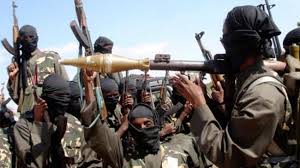
L’esercito nigeriano libera bambini e donne sequestrati dai Boko Haram, ma ne restano molti altri prigionierii

0

Africa Express
2 maggio 2015

All’inizio della settimana
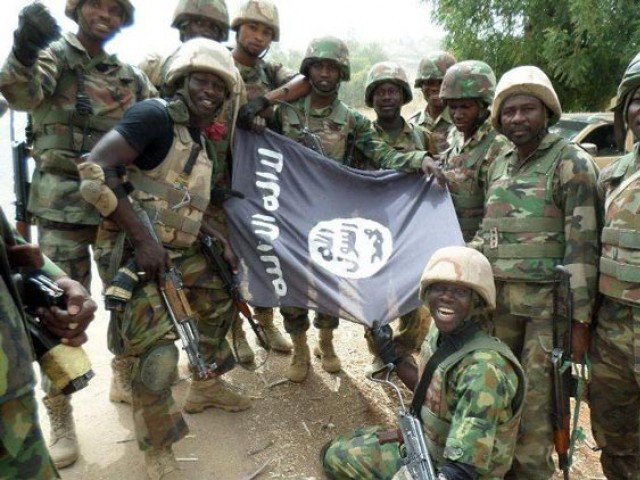
293 tra donne e bambini prigionieri di Boko Haram sono stati liberati dall’esercito nigeriano. Il 30 aprile sono state salvate 160 persone e ieri altre 234. Non si sa se tra esse ci siano le 300 ragazze del liceo di Chibock costrette a seguire i sanguinari terroristi nel rapimento di massa dell’aprile 2014. I difensori dei diritti umani nigeriani hanno però ammonito a frenare gli entusiasmi e hanno citato un rapporto di Amnesty International, secondo cui sono oltre duemila le ragazze sequestrate dalla setta sovversiva.

soldati e bandiera Boko

Inquieta poi un altro dato. Quando hanno assaltato le basi dei ribelli islamici, i soldati si sono trovati davanti, tra l’altro, alla resistenza di alcune donne che combattevano a fianco dei loro carcerieri. E’ come se avessero aderito ai Boko Haram dopo un lavaggio del cervello o come se avessero accettato di buon grado i matrimoni forzati cui sarebbero state costrette, hanno commentato i militari.

Le autorità stanno cercando
di identificare le donne e i bambini salvati, per capire da dove vengono. Hanno anche spiegato di aver distrutto 13 campi di addestramento nella Sambisa Forest, nel nord est della Nigeria.DONNA TRA SOLDATI

Le liberazioni di questi giorni sembra quasi avvalorino la tesi che circolava prima delle elezioni presidenziali di fine marzo, quando il musulmano Muhammadu Buhari ha battuto il cristiano Goodluck Jonathan: che cioè gli attentati e i rapimenti dei Boko Haram fossero politicamente guidati per destabilizzare il Paese e per convogliare i consensi verso un capo dello stato fedele all’islam, presentato come salvatore della patria. Infatti – si era detto allora – se sarà eletto Buhari, tutte le persone rapite torneranno subito a casa. Cosa che si sta puntualmente verificando.

Africa Express


Allarme della polizia in Kenya: rischio attentato sulla costa nel weekend

0

Dal Nostro Corrispondente
Arturo Rufus
Nairobi, 1° maggio 2015

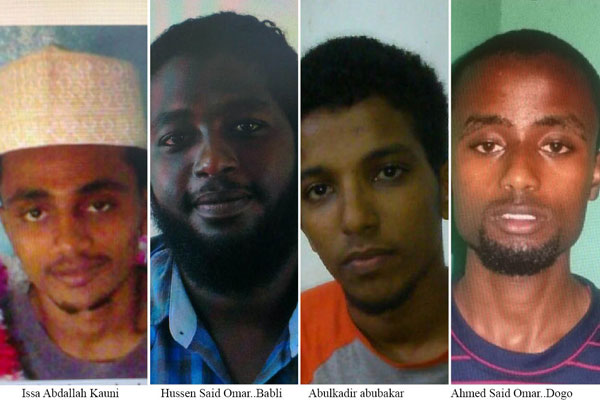
Allarme in Kenya per un possibile attentato sulla costa in questo lungo weekend della Festa del Lavoro. La polizia ha diramato le fotografie di quattro sospetti terroristi. Sulle loro teste è stata posta una taglia di 8 milioni di scellini, poco meno di 80 mila euro. Una nota informa: “C’è un chiaro rischio di un attentato nei giorni precedenti o seguenti il 1° maggio”.

Secondo un rapporto di intelligence pubblicato da alcuni giornali, i quattro sono legati al gruppo fondamentalista islamico somalo Al Shebab, i cui capi avrebbero ordinato l’attacco in Kenya.

Uno dei quattro è Abulkadir Abubakar Abdulkadir, fratello di una ragazza poco più che ventenne che, assieme a due compagne, è stata arrestata a Mombasa. Secondo l’accusa le giovani – Ummul-Khayr Sadir Abdul, Maryam Said Aboud e Khadija Abubakar Abdulkadir – arrestate a Mandera, stavano partendo per la Somalia per sposarsi con miliziani shebab e arruolarsi nelle file del terrorismo.

I 4 wanted

Un altro dei ricercati è Issa Abdallah Kauni, scomparso a Mombasa l’anno scorso. I suoi genitori avevano appeso sui muri della città portuale decine di manifestini con la sua foto chiedendo informazioni da chi le avesse avute, una sorta di “Chi l’ha visto?”. Gli altri due sono fratelli, Ahmed Said Omar, detto Dogo, e Hussein Said Omar, detto Babli.

La polizia ha promesso una ricompensa di 8 milioni di scellini per informazioni che portino alla cattura dei quattro sospettati. Una nota del governo li descrive come “armati e pericolosi”

Le 3 donne arrestate

Le indagini sul massacro del 2 aprile all’università di Garissa hanno portato alla conclusione che la maggioranza dei terroristi coinvolti era keniota, di Malindi, la città turistica sulla costa a nord d Mombasa.

Due famosi cantanti gospel americani Don Moen e Lenny Leblanc – oggi e domani hanno in programma due spettacoli al KPA Sports Club Mbaraki di Mombasa. Gli organizzatori hanno chiesto di rafforzare al massimo le misure di sicurezza. L’ 8 e il 9 maggio i due artisti si esibiranno  nella cattedrale Battista di Nairobi,

Arturo Rufus
arturo.rufus7@gmail.com
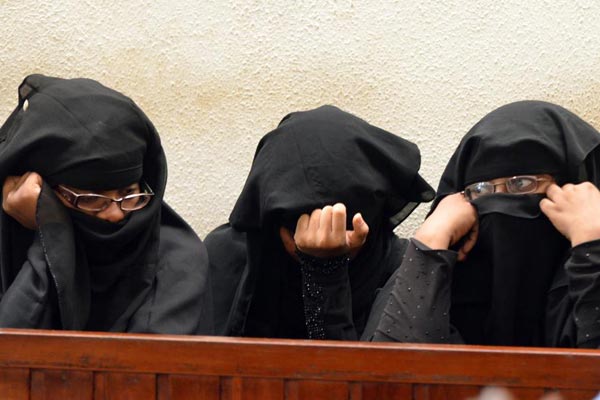
Nella foto in basso nell’ordine Ummul-Khayr Sadir Abdul, Maryam Said Aboud and Khadija Abubakar Abdulkadir